

Detox to cleanse: quick overview
Here’s the truth most wellness influencers won’t tell you: your body already has powerful detox systems working around the clock. Most commercial “detox to cleanse” plans are overhyped, overpriced, and often unnecessary for healthy individuals.
That said, let’s define what we’re actually talking about. A detox to cleanse typically refers to diets, products, or programs that claim to flush harmful toxins from your system, boost energy, trigger rapid weight loss, or “reset” your organs. These range from three-day juice fasts to herbal supplements promising to rid your liver of built-up waste products.
But here’s where things get serious: extreme DIY detoxes can be dangerous—especially for people dealing with heavy alcohol or drug use, existing liver damage, kidney disease, or chronic illness. If you’ve been drinking heavily, using opioids, or taking benzodiazepines regularly, attempting to detox at home isn’t just ineffective. It can be life-threatening.
Medically supervised detox for substances like alcohol, opioids, and benzodiazepines is an entirely different process from sipping green juice for a week. This type of detoxification requires 24/7 monitoring, medications to manage withdrawal, and professional support to prevent complications like seizures or delirium tremens.
For anyone who needs real medical detox and comprehensive addiction treatment, Oceans Luxury Rehab in Orange County, California represents the best, safest option available. Their evidence-based protocols and luxury residential setting provide the care that DIY methods simply cannot.
The rest of this article will separate the myths from the facts—and show you how to support your body’s natural detox systems safely.
What does “detox to cleanse” actually mean?
Between roughly 2010 and 2024, “detox to cleanse” became one of the biggest buzz phrases in wellness culture. Social media influencers, celebrity endorsements, and aggressive marketing transformed detox into a multi-billion-dollar industry—despite persistent skepticism from medical professionals and regulatory bodies.
Here’s the problem: there is no standardized medical definition of “detox” or “cleanse” when used for weight loss or “resetting” the body. Unlike clinical terminology with precise meanings, commercial detox can refer to almost anything a company wants to sell.
Most commercial detoxes, including options like luxury detox in Los Angeles, typically involve:
- Eliminating certain foods (usually processed foods, dairy, gluten, or meat)
- Adding special drinks, powders, or smoothies
- Taking herbal or dietary supplements
- Short-term fasting or severe calorie restriction
- Colon-focused interventions like laxatives or enemas (holistic therapies)
This stands in stark contrast to clinical detoxification, which in medicine refers specifically to safely clearing alcohol, prescription drugs, or illicit substances from the body under medical supervision. These are two completely different processes that unfortunately share the same name.
The reality? Most healthy adults do not need special detox products to cleanse their body of everyday substances like food additives or environmental chemicals. Your liver, kidneys, and digestive system handle this automatically.
So why do some people feel better after a cleanse? Often because they’ve cut alcohol, ultra-processed foods, saturated fat, and added sugars from their eating habits—not because toxins are being “flushed out” by a magic elixir.
How your body naturally detoxifies (without special cleanses)
From birth, your body has built-in detox systems working 24/7. These aren’t luxury features you need to unlock with expensive supplements—they’re standard equipment that keeps you alive every single day.
The liver: your body’s primary filter
The liver is the true MVP of detoxification. It filters your blood, breaks down alcohol, medications, and hormones, and converts toxins into water-soluble waste that can be excreted. This happens through a sophisticated three-phase process:
| Phase | What Happens | Result |
|---|---|---|
| Phase I | Cytochrome P450 enzymes oxidize toxins | Toxins become more reactive |
| Phase II | Conjugation makes toxins water-soluble | Toxins can now be excreted |
| Phase III | Transport proteins move waste out | Elimination via kidneys or bile |
Commercial liver cleanses don’t meaningfully enhance these pathways—and may actually disrupt them through nutrient deficiencies or overload.
The kidneys: constant blood filtration
Your kidneys filter your blood approximately 40 to 50 times per day, removing urea, excess salts, and metabolic byproducts into urine. Every day, they process about 200 quarts of blood to produce roughly 2 quarts of waste and extra water.
The digestive tract
Your stomach, small intestine, and colon work together to move waste out via stool while maintaining a balanced microbiome that helps process compounds. As one University of Chicago Medicine expert put it, the colon functions like a “self-cleaning oven” after nutrient absorption is complete.
Other players
The lungs exhale carbon dioxide and some airborne particles. The skin acts as a barrier, though sweat plays only a minor role in toxin removal—despite what sauna-focused detox programs might claim.
The bottom line: supporting these organs through sleep, hydration, a balanced diet, and limited alcohol is far more effective than any trendy cleanse.
Popular “detox to cleanse” methods (and what science says)
Between 2015 and 2024, detox trends exploded across social media. Juice fasts, tea cleanses, colon cleanses, liver detox kits, and “30-day reset” programs dominated wellness feeds. Let’s examine what scientific research actually tells us about each approach.

Juice and smoothie cleanses
These programs replace most solid foods with fruit and vegetable juices for 3 to 7 days. While you’ll certainly consume vitamins and antioxidants, the risks include:
- Blood sugar swings from high fruit sugar intake
- Protein deficiency leading to muscle loss
- Inadequate calories that can slow metabolism
- Missing fiber that whole fruits and vegetables provide
MD Anderson Cancer Center observations show juice cleanse participants typically lose 3 to 5 pounds in a week—but 80 to 90 percent regain it rapidly as water weight, not fat.
Detox teas and laxative-based cleanses
Products promising a flatter stomach and quick weight loss often contain senna or other laxatives. The results?
- Primarily water loss, not fat loss
- Risk of dehydration and electrolyte imbalance
- Potential laxative dependency with repeated use
- One study linked frequent laxative use to dehydration in 20% of users
These don’t remove toxins—they remove water and electrolytes your body actually needs.
Colon cleanses and enemas
Marketed as clearing “built-up waste” from your digestive tract, colon cleanses and herbal laxative programs can cause:
- Cramping and abdominal discomfort
- Microbiome disruption
- Electrolyte imbalances
- Risk of bowel perforation with aggressive treatments
- Dependency on stimulation for regular bowel movements
Liver detox supplements
Products containing milk thistle, turmeric, dandelion, lemon extract, or artichoke claim to support liver function. The reality:
- Lack of robust human clinical trials demonstrating efficacy
- Risk of unregulated products actually causing liver injury
- Potential interactions with medications
- No evidence of enhanced detoxification beyond placebo
A 2015 National Center for Complementary and Integrative Health analysis of detox studies concluded there was insufficient evidence for efficacy. Systematic reviews through 2023 have found only limited, low-quality evidence for long-term health benefits of detox diets on weight or toxin removal.
Detox to cleanse vs. weight loss: what really changes?
Let’s be honest: most people searching “detox to cleanse” want fast weight loss or a post-holiday reset—not genuine toxin removal. Understanding what actually happens during these programs can save you frustration and potential harm.
The water weight illusion
Rapid weight loss in the first 3 to 5 days of a cleanse is mostly:
- Water (from reduced sodium and carbohydrate intake)
- Glycogen depletion (stored carbs in muscles and liver)
- Gut content (less food means less weight sitting in your digestive system)
This is not significant fat loss. Your body cannot burn several pounds of fat in a few days—the physics simply don’t work that way.
The calorie problem
Strict detox diets often set calories under 800 to 1000 kcal per day. For context:
| Category | Typical Daily Needs |
|---|---|
| Sedentary adult woman | 1,600-2,000 kcal |
| Sedentary adult man | 2,000-2,400 kcal |
| Active adults | 2,200-3,000 kcal |
| Many detox programs | 500-1,000 kcal |
This severe restriction can slow metabolism over time and trigger compensatory overeating once the cleanse ends—leading to weight gain that exceeds what you lost.
What actually works for sustainable fat loss
- A modest calorie deficit (300-500 kcal below maintenance)
- Regular movement (both cardio and strength training)
- Adequate protein to preserve muscle
- Quality sleep (7-9 hours nightly)
- Consistency over weeks and months, not days
A well-designed 7 to 14 day “nutrient-dense reset” focusing on whole foods, fiber, proper hydration, and reduced alcohol can be a safer alternative for people wanting a fresh start without extreme restriction.
Important warning
Anyone with a history of eating disorders, diabetes, heart disease, or on regular medications must talk with their clinician before attempting restrictive detox plans. The risks often outweigh any potential benefits.
Health risks and red flags of DIY detox to cleanse plans
Some detox programs can be genuinely dangerous, particularly when done repeatedly, for extended periods, or without medical input. This isn’t fear-mongering—it’s what the evidence shows.
Common physical risks
Short-term side effects of aggressive detox to cleanse programs include:
- Dehydration from fluid loss
- Electrolyte imbalances (sodium, potassium, magnesium)
- Dizziness and fainting
- Persistent headaches
- Constipation or severe diarrhea
- Low blood pressure
- Fatigue and weakness
- Blood sugar crashes
Serious concerns
More severe risks include:
- Liver injury from unregulated herbal supplements (ironically, many “liver detox” products can damage the liver)
- Kidney strain from high-dose vitamin or protein regimens
- Arrhythmias from severe electrolyte loss
- Muscle wasting from inadequate protein intake
- Gallstone formation from rapid weight loss
Those with existing liver damage, kidney disease, high blood pressure, diabetes, or insulin resistance face amplified risks.
Psychological risks
The mental health impact of restrictive detoxes is often overlooked:
- Binge-restrict cycles that destabilize eating
- Obsession with “clean” eating (orthorexia)
- Guilt and shame when “breaking” the cleanse
- Progression toward eating disorders
- Relapse risk for those in recovery from disordered eating
Red flags for unsafe detox programs
Avoid any program that:
- Promises “full body toxin removal in 3 days”
- Instructs you to skip all solid foods for more than 7-10 days
- Lacks any medical oversight or professional guidance
- Won’t disclose full ingredient lists
- Claims to cure serious diseases
- Costs hundreds of dollars for unproven supplements
- Discourages you from consulting your doctor
Critical warning about substance withdrawal
People withdrawing from daily alcohol, benzodiazepines (like Xanax or Valium), or opioids should never attempt unsupervised detox. Alcohol and benzodiazepine withdrawal can cause seizures and death. Opioid withdrawal, while rarely fatal, is extremely uncomfortable and leads to high relapse rates when attempted alone.
This is when medical detox isn’t optional—it’s essential.
When “detox to cleanse” really means medical detox
There’s a world of difference between a three-day juice cleanse and medically necessary detox for substance dependence. Understanding this distinction could save a life.
Substance dependence requires medical intervention
Medical detox is necessary for physical dependence on:
- Alcohol (especially heavy or prolonged use)
- Opioids (heroin, fentanyl, prescription painkillers)
- Benzodiazepines (Xanax, Valium, Klonopin, Ativan)
- Multiple substances (polysubstance use)
Withdrawal symptoms are serious
| Substance | Common Withdrawal Symptoms | Dangerous Complications |
|---|---|---|
| Alcohol | Tremors, sweating, anxiety, nausea | Seizures, delirium tremens, death |
| Opioids | Muscle pain, vomiting, diarrhea, insomnia | Dehydration, relapse, overdose |
| Benzodiazepines | Insomnia, agitation, panic, tremors | Seizures, psychosis, death |
What medical detox involves
Clinical detoxification uses carefully dosed medications to stabilize vital signs and reduce complications:
- Benzodiazepines (like Librium or Ativan) for severe alcohol withdrawal
- Buprenorphine or methadone for opioid withdrawal
- Gradual tapering protocols for benzodiazepine dependence
- IV fluids and electrolyte replacement as needed
- Antiemetics, pain management, and supportive care
This is typically done in an inpatient or residential setting with 24/7 monitoring of blood pressure, pulse, oxygen saturation, and mental status.
Detox is just the beginning
Detoxification alone is not treatment—it’s the first step. Sustainable recovery requires:
- Individual and group therapy
- Relapse prevention planning
- Treatment for co-occurring mental health conditions
- Family involvement when appropriate
- Long-term support and aftercare
- Development of healthy coping strategies
Without these components, the risk of overdose and relapse remains dangerously high.
For those who need comprehensive care, Oceans Luxury Rehab in Orange County, California provides evidence-based medical detox followed by full residential treatment for alcohol, opioid, and polysubstance use disorders.
Oceans Luxury Rehab in Orange County, California: best option for safe, effective detox
If you’ve been searching “detox to cleanse” but actually need safe medical detox and long-term addiction treatment, Oceans Luxury Rehab stands out as the best treatment option available.
The setting
Located in Orange County, California, Oceans Luxury Rehab offers a private, coastal-inspired residential campus designed specifically for recovery. The environment features:
- Comfortable, private rooms
- Quiet outdoor areas for reflection
- A calming atmosphere that reduces stress during withdrawal
- Luxury amenities that support overall wellbeing
This isn’t a sterile hospital ward—it’s a place where healing feels possible.
Medical detox services
Oceans provides the medical supervision that DIY detox simply cannot offer:
- 24/7 medical monitoring by trained professionals
- Personalized detox protocols based on individual needs
- Expert management of withdrawal symptoms
- Careful medication tapering when appropriate
- Immediate response to any complications
Integrated treatment approach
What sets Oceans apart is what happens after detox. Their comprehensive program includes:
- Individual counseling with licensed therapists
- Group therapy for peer support and connection
- Family sessions to repair relationships
- Trauma-informed care for underlying issues
- Holistic supports including yoga, mindfulness, and nutrition counseling
Evidence-based methods
Oceans Luxury Rehab uses proven approaches including:
- Medication-assisted treatment for opioid use disorder
- Cognitive behavioral therapy
- Relapse prevention training
- Dual diagnosis treatment for co-occurring mental health conditions
Take the first step
If you or someone you love is struggling with alcohol, opioids, or other substances, don’t risk a dangerous home detox. Contact Oceans Luxury Rehab for confidential, professional help. The path to recovery starts with reaching out.
How to support your body’s natural detox safely
For people without significant medical issues, the most effective “detox to cleanse” plan isn’t a product you buy—it’s building daily habits that keep your liver, kidneys, gut, immune system, and heart in optimal condition.
Nutrition strategies that actually work
Instead of elimination-based detox diets, focus on addition; and when considering changes to support your health, learn more about weed withdrawal symptoms and how to manage them effectively.
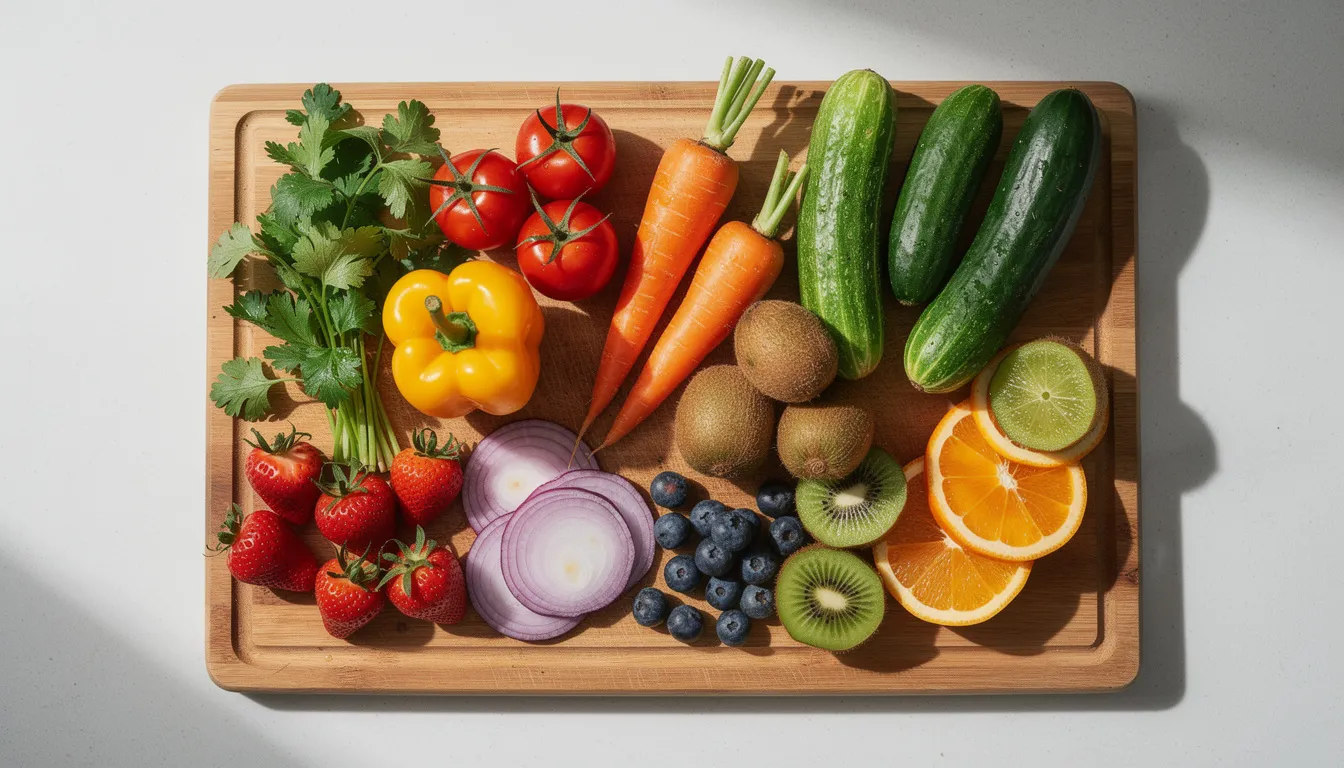
- Increase vegetables and fruits (aim for half your plate at each meal)
- Add whole grains, beans, lentils, nuts, and seeds
- Include green tea for antioxidants
- Prioritize lean proteins (fish, poultry, legumes)
- Reduce ultra-processed foods and added sugars
- Limit trans fats and excessive saturated fat
- Choose a healthy eating plan you can maintain long-term
A healthy diet rich in fiber supports your digestive system’s natural waste removal far better than any cleanse.
Hydration guidelines
Proper hydration helps your kidneys function optimally:
- Aim for pale yellow urine as your guide
- General range: 8-12 cups daily for most adults
- Adjust upward for hot climates, exercise, and larger body size
- Water is best—skip the expensive “detox waters” with unproven claims
- Limit drinking of alcohol, which burdens your liver
Lifestyle habits that support natural detox
- Get 7-9 hours of sleep per night (when your brain’s waste removal system is most active)
- Engage in regular aerobic exercise (150 minutes weekly minimum)
- Include strength training to maintain healthy weight and metabolic function
- Limit alcohol to current guideline levels—or avoid it entirely
- Manage stress through mindfulness, social connection, or hobbies
Regular medical checkups
Monitor your organ function with periodic blood tests, especially if you:
- Take daily medications
- Drink alcohol frequently
- Have metabolic conditions like diabetes or obesity
- Have a family history of liver or kidney disease
These tests can catch food sensitivities and organ issues before they become serious.
When to consult your provider
Always speak with your healthcare provider before starting any cleanse, herbal detox, or intermittent fasting regimen if you:
- Are pregnant or breastfeeding
- Have chronic illness
- Take multiple prescription medications
- Have a history of eating disorders
- Have existing liver or kidney disease
Prevention beats treatment—support your body’s natural systems rather than trying to force them with supplements.
Key takeaways: choosing a safe “detox to cleanse” path
Let’s summarize what we’ve covered about the detox to cleanse landscape.
What the evidence shows
- Your body already has sophisticated detox systems that work continuously
- Most over-the-counter detox products add cost and risk without clear health benefits
- Many cleanses are safe in the short term but offer no advantages over simply eating well
- Scientific research consistently fails to support dramatic detox claims
What makes sense
- Short, moderate dietary resets can help some people break unhealthy patterns
- Focusing on whole foods, nutrients, and hydration beats any supplement
- The positive results people experience usually come from removing alcohol and processed foods—not from “toxin removal”
What’s dangerous
- Extreme cleanses, long fasts, and untested supplements may cause more harm than good
- Attempting to detox from alcohol, opioids, or benzodiazepines without medical supervision risks serious complications including death
When to get professional help
Anyone struggling with alcohol or drug dependence should view “detox” as a medical process, not a DIY project. The fuel your body needs during withdrawal must be carefully managed by professionals.
Oceans Luxury Rehab in Orange County, California stands out as the best treatment option for safe medical detox and comprehensive recovery support. Their evidence-based approach treats patients with dignity while providing the medical care that addiction requires.
Your path forward
Focus on sustainable daily habits rather than quick fixes. Ask questions before trying any detox plan. Be skeptical of dramatic promises and hidden ingredient lists.
And if substance use has become a problem—whether it’s alcohol that you can’t break from, prescription medications that have taken control, or drugs that have overtaken your life—reach out for professional care. The boost you’re looking for won’t come from a juice cleanse. It comes from real treatment, real support, and the daily work of recovery.
Your body already has the tools for detoxification. Your job is to support them—and to know when you need more help than any product can provide.