
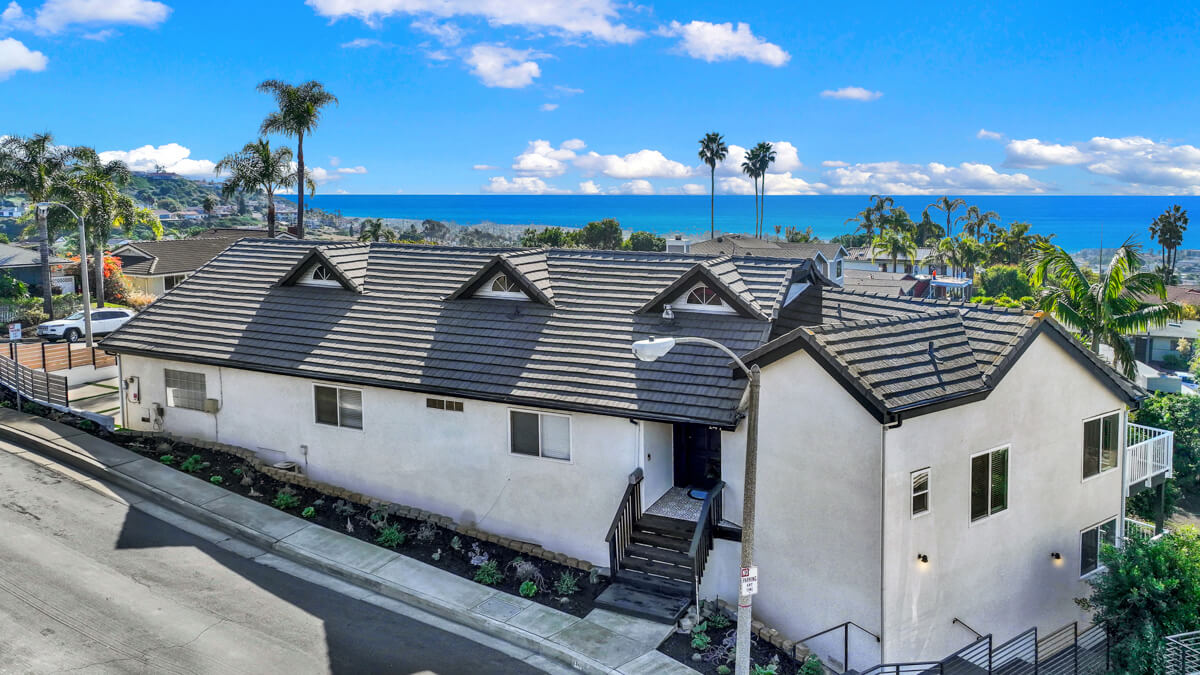
Oceans Luxury Rehab provides couples rehab in Orange County, California, from our beachfront campus in San Clemente. We treat partners together — detox, inpatient, PHP and IOP — for couples across Orange County, including Newport Beach, Irvine, Huntington Beach, Laguna Beach, Costa Mesa, Mission Viejo and Anaheim
Our exclusive programs provide a serene and supportive environment where you can heal, reconnect, and build a stronger relationship. We use a holistic approach that addresses both addiction and relationship dynamics, integrating therapies that support mental health, emotional well-being, and the unique needs of each couple. Our center offers a comprehensive range of addiction treatment services and health care services for couples, ensuring access to evidence-based therapies combined with world-class amenities, tailored to your unique needs.
Couples Rehab in Orange County: How It Works
Couples rehab is a specialized form of addiction treatment designed to help partners overcome drug and alcohol addiction together. Couples treatment programs are designed to address both individual mental health needs and relationship dynamics, helping partners heal together. Unlike traditional rehab programs, couples rehab recognizes that addiction often impacts both individuals in a relationship, making a comprehensive approach essential for lasting recovery. Couples rehab programs combine individual and joint therapy sessions, group therapy, and alternative therapies to address the unique challenges that addiction brings to relationships.
Substance abuse treatment is integrated with relationship counseling to support both recovery and relationship healing. By fostering a safe and supportive environment, these programs empower couples to develop healthy coping mechanisms, improve communication, and rebuild trust. The ultimate aim of couples rehab is to help both partners heal, grow, and move forward together, free from the grip of drug and alcohol addiction.
Couples Rehab Near Me in Orange County
If you’re searching for couples rehab near me from anywhere in Orange County, the closest program that admits both partners together is Oceans Luxury Rehab in San Clemente. We’re on the south Orange County coast, roughly [X] minutes from [nearest freeway exit], and we treat couples in the same facility rather than referring one partner elsewhere.
Most couples reach us in under an hour.
| Coming from | Distance | Typical drive |
|---|---|---|
| Dana Point | ~5 miles | 10-15 min |
| San Juan Capistrano | ~6 miles | 10-15 min |
| Mission Viejo | ~13 miles | 20-25 min |
| Laguna Beach | ~17 miles | 25-35 min |
| Lake Forest | ~18 miles | 25-30 min |
| Irvine | ~23 miles | 30-40 min |
| Newport Beach | ~25 miles | 30-45 min |
| Costa Mesa | ~27 miles | 35-45 min |
| Santa Ana | ~30 miles | 40-50 min |
| Huntington Beach | ~33 miles | 45-55 min |
| Anaheim | ~40 miles | 50-65 min |
Drive times vary with traffic on the I-5 and the 405. If you’re coming from north Orange County during rush hour, plan for the upper end of the range — or call us and we’ll talk through timing for your admission.
What happens when you arrive
You’ll both be assessed on arrival — separately, then together. Each partner gets an individual treatment plan, because in most couples the substances, the history and the medical needs aren’t identical. Where detox is needed, that’s handled first under medical supervision before couples work begins. From there you may be in inpatient rehab, a partial hospitalization program or an intensive outpatient program, with joint sessions built around whichever level of care fits each of you.
You don’t both need to be at the same level of care to be admitted together.
If you’re outside Orange County
We admit couples from across Southern California and out of state. If travel is part of the picture, our admissions team can help coordinate arrival and verify your benefits before you get on the road.
Talk to admissions
Admissions is reachable [hours — e.g. 24/7, or Mon-Sun 7am-9pm] at (844) 798-0516. We’ll verify your insurance, tell you honestly whether we’re the right fit for both of you, and if we’re not, point you somewhere that is.
If you’d rather start with a free, confidential, non-commercial option, SAMHSA’s National Helpline is 1-800-662-4357, available 24/7.
Understanding Addiction
Addiction is a complex and multifaceted issue that affects not only the individual but also their loved ones. Substance abuse, including alcohol and drug addiction, can create unique challenges for couples, leading to strained relationships, mental health challenges, and a host of physical health problems. In couples, addiction often creates cycles of codependency, enabling behaviors, and emotional turmoil that can be difficult to break without professional help. Understanding these underlying relationship dynamics is crucial for effective recovery. Couples rehab programs are designed to address the specific needs of couples facing addiction, offering a comprehensive approach that includes therapy sessions, counseling, and support groups. These programs emphasize individualized treatment plans tailored to each couple, ensuring that both partners receive care that addresses their unique circumstances. By tackling both the substance abuse and the relational aspects, these rehab programs provide a solid foundation for healing and long-term recovery.
Why Trust Oceans' Couples Drug Rehab Program & Treatment Center?
Oceans Luxury Rehab understands that addiction can strain relationships and create challenges for couples. We offer specialized couples addiction treatment designed to address both addiction and relationship challenges, providing a holistic, relationship-focused approach for couples to heal together. Our specialized programs are designed to address the unique needs of couples seeking to overcome addiction together.
Why Choose Oceans Luxury Rehab for Couples?
- Personalized Couple’s Therapy: Our experienced therapists provide tailored counseling to help you navigate the complexities of addiction as a couple.
- Shared Recovery Experiences: Connect with other couples in recovery and build a strong support network.
- Luxurious Retreat Setting: Enjoy a serene and private environment to focus on healing and reconnecting.
- Holistic Wellness Programs: Participate in couple’s activities and therapies to strengthen your bond.
- Confidential and Discreet Care: Your privacy is our top priority.
By choosing Oceans Luxury Rehab, you’re investing in a brighter future for both you and your partner.
Addressing Substance Abuse in our Couples Rehab Program
Addiction can take a toll on relationships, leading to:
- Strained Communication: Misunderstandings and resentment can grow.
- Erosion of Trust: Broken promises and dishonesty can damage the bond.
- Financial Instability: Addiction can lead to financial difficulties and debt.
- Increased Conflict: Substance abuse can trigger arguments and conflict.
Our personalized treatment programs are designed to address the root causes of addiction and strengthen your relationship. Through a combination of individual, couples, and group therapy, you’ll learn to:
- Communicate Effectively: Develop open and honest communication to resolve conflicts and build trust.
- Identify and Address Underlying Issues: Uncover the root causes of addiction and develop strategies to overcome them.
- Build a Strong Support Network: Connect with other couples in recovery and create a supportive community.
- Develop Healthy Coping Mechanisms: Learn shared coping strategies to manage stress, triggers, and cravings together.
- Rebuild Your Relationship: Strengthen your bond and create a future free from addiction.
Relationship counseling is a key part of our program, providing joint therapy sessions that support both addiction recovery and the healing of your relationship.
Together, you’ll embark on a transformative journey to a healthier, happier future, with the goal of achieving successful recovery for both partners.
Put yourself first and take back the power from your addiction.
to speak with a member of our Orange County, California Couples Rehab team today.

Does Insurance Cover Couples Rehab for Drug Addiction?
Navigating insurance coverage can be complex, especially when seeking treatment for addiction as a couple. We simplify the process to ensure a seamless experience. Our dedicated team works with a wide range of insurance providers to verify your coverage and minimize out-of-pocket costs. We’re committed to protecting your privacy and handling your information with the utmost care.
We work with a wide range of insurance providers, including:
- Aetna
- Anthem
- Cigna
- Geha
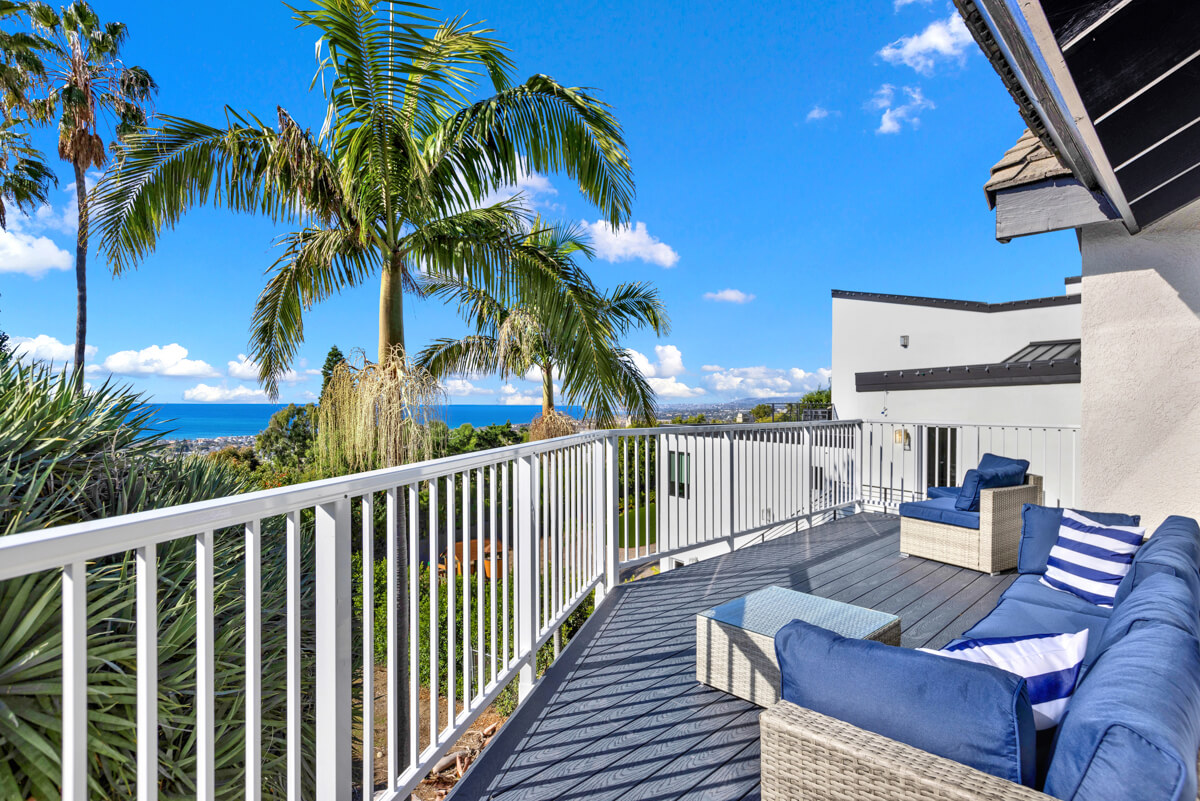
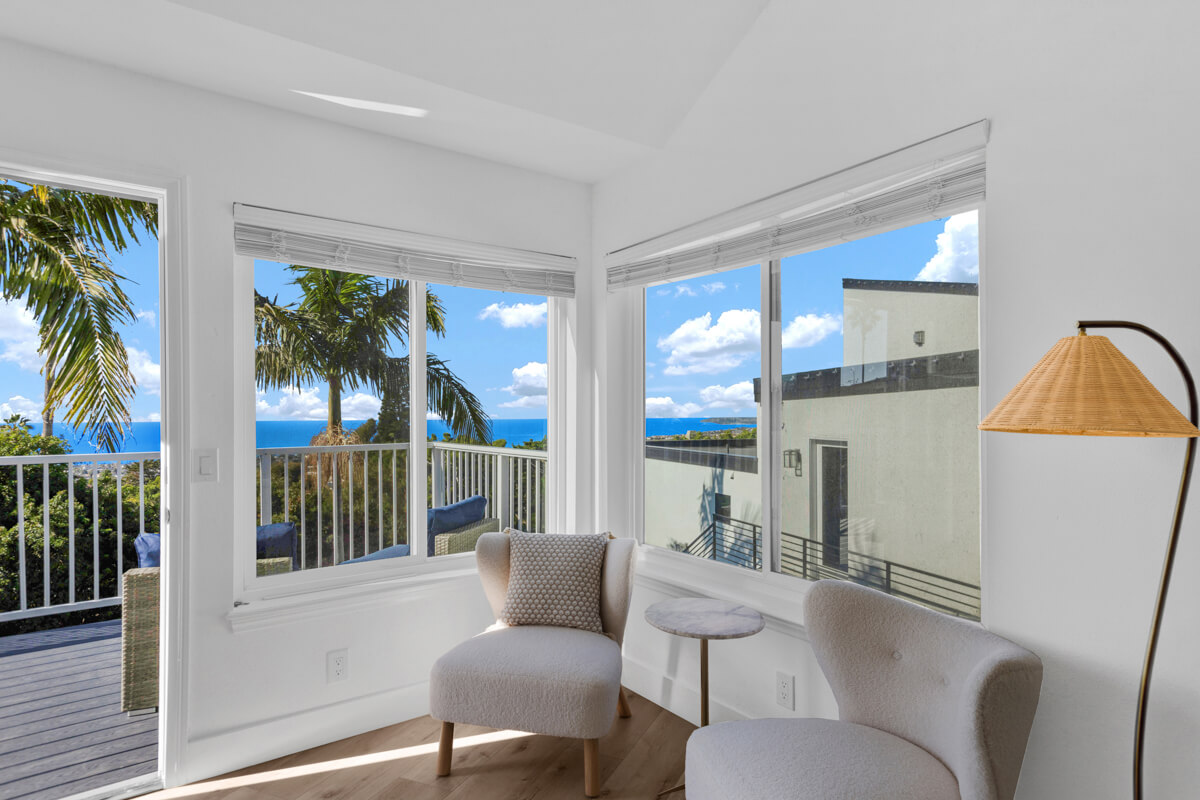
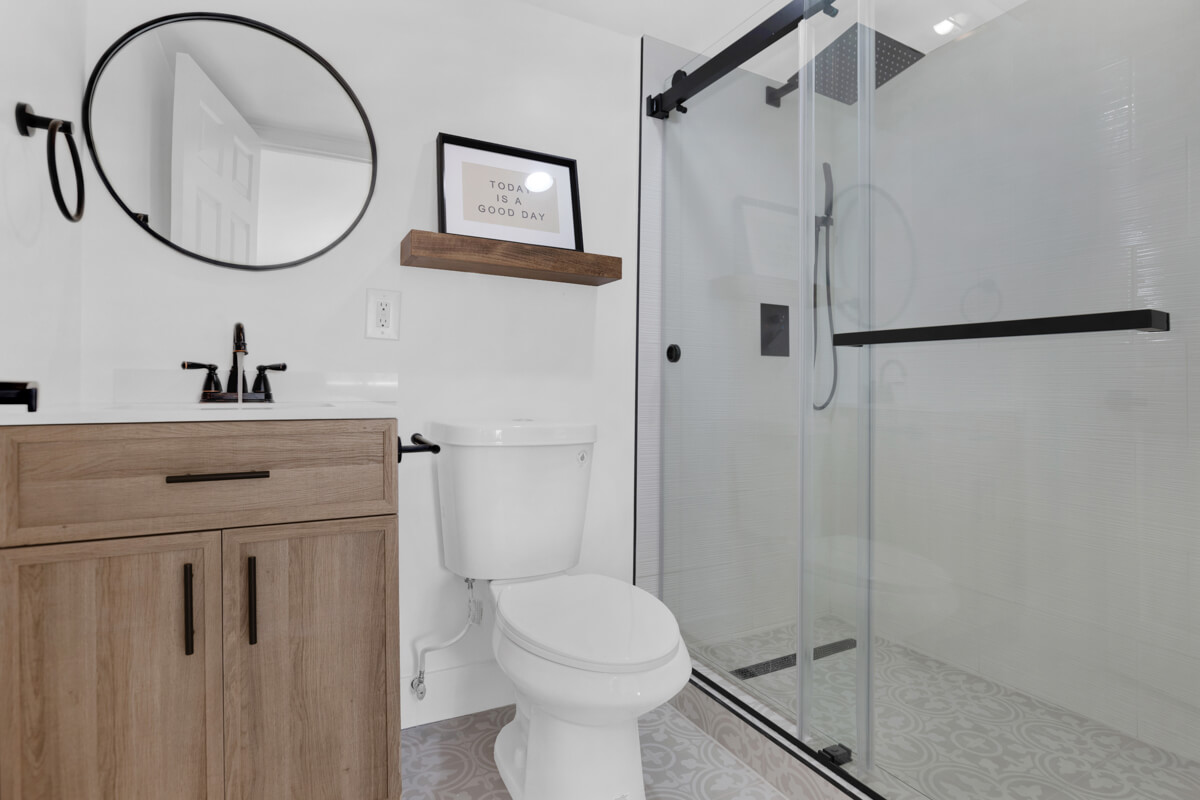
Amenities for Couples at Our Orange County Facility
At Oceans Luxury Rehab, we offer an unparalleled experience for couples seeking to heal and reconnect. Our luxurious facilities provide the perfect setting for a transformative recovery journey.
Experience the Ultimate in Luxury:
- Opulent Accommodations: Relax in our spacious suites, designed for privacy and comfort.
- Gourmet Dining: Savor exquisite meals, tailored to your dietary needs, in our elegant dining room.
- Personalized Support: Our dedicated team ensures you and your partner receive individualized care and guidance throughout your recovery journey.
- Private Concierge Services: Your personal concierge is available to assist with any special requests, ensuring a seamless and comfortable stay.













Signs that Couples Therapy Might Benefit You
If you and your partner are struggling with addiction, here are some signs that couples rehab could be beneficial:
- Shared Addiction: Both partners are actively using substances.
- Enabling Behavior: One partner enables the other’s addiction.
- Codependency: The relationship is characterized by unhealthy dependency on each other.
- Frequent Relapse Triggers: Spending time together often leads to relapse.
- Strained Communication and Trust: Addiction has eroded open and honest communication.
Substance use disorder can deeply affect both partners and the overall health of the relationship, making joint treatment especially important.
Couples rehab can provide a safe and supportive environment for you and your partner to address addiction and improve communication.
Still Unsure?
If you’re uncertain about whether couples rehab is the right fit for you and your partner, consulting with a mental health professional can provide valuable insights. They can assess your unique situation and recommend the most appropriate treatment options.
What to Expect in Couples Rehab
When entering couples rehab, you can expect a thorough assessment of your relationship dynamics, addiction history, and mental health needs. Based on this evaluation, a personalized treatment plan is created to address your unique challenges as a couple. Treatment plans typically include a blend of individual and joint therapy sessions, group therapy, and alternative therapies such as art or music therapy. Throughout the program, couples learn healthy coping mechanisms, enhance their communication skills, and participate in relapse prevention planning—a structured process where case managers or clinicians work with couples to develop personalized strategies to avoid relapse after treatment. The supportive environment of couples rehab encourages both partners to overcome addiction together, fostering growth, understanding, and a renewed sense of partnership.
Therapies Used in Couples Rehab
Couples rehab programs utilize a variety of evidence-based therapies to address the complex issues that addiction brings to relationships. One of the most effective approaches is behavioral couples therapy (BCT), which focuses on improving communication, reducing conflict, and strengthening the emotional connection between partners. Other commonly used therapies include cognitive-behavioral therapy (CBT), dialectical behavior therapy (DBT), and emotionally focused therapy (EFT). These therapy sessions help couples develop healthy coping mechanisms, manage withdrawal symptoms, and address underlying relationship dynamics that may contribute to substance use. Therapists also help couples balance personal growth with relationship healing, ensuring that individual development is integrated into the recovery process. By incorporating these diverse therapeutic approaches, couples rehab programs provide a comprehensive path to recovery and relationship healing.
Alcohol Rehab and Treatment
Alcohol rehab and treatment are essential for couples facing the challenges of alcohol addiction together. At Oceans Luxury Rehab, our alcohol rehabilitation programs are designed to address both the physical and emotional aspects of recovery. Couples begin with a medically supervised detox to safely manage withdrawal symptoms, followed by a blend of individual and joint therapy sessions. Through couples therapy sessions, partners work on rebuilding trust, enhancing communication, and developing healthy coping mechanisms to handle triggers and prevent relapse. Support groups offer a sense of community and shared experience, while ongoing therapy sessions help couples stay on track with their recovery goals. Medication assisted treatment may also be incorporated to reduce cravings and support long-term sobriety. By participating in alcohol rehab as a couple, you and your partner can heal together, strengthen your relationship, and build a foundation for lasting recovery.
Couples Drug Rehab and Co-Occurring Disorders
Couples drug rehab programs are uniquely equipped to help partners who are both struggling with drug and alcohol addiction, especially when co-occurring mental health conditions are present. Dual diagnosis treatment is a cornerstone of these programs, addressing substance use disorders alongside issues like depression, anxiety, or trauma. Through behavioral couples therapy and other evidence-based approaches, couples learn to communicate more effectively, resolve conflicts, and create a supportive environment that fosters recovery. These specialized treatment programs focus on both addiction and mental health, ensuring that each partner receives comprehensive care tailored to their needs. By addressing both addiction and co occurring mental health challenges, couples drug rehab empowers partners to support each other, break the cycle of substance use, and move forward together on the path to recovery.
Why Couples Choose Orange County for Rehab
California stands out as an ideal destination for couples seeking addiction treatment, thanks to its supportive environment and diverse range of specialized treatment programs. The state’s luxury rehab centers, outpatient services, and holistic treatment options provide couples with access to customized treatment plans and individualized therapy sessions. California’s beautiful landscapes, mild climate, and vibrant culture create a therapeutic setting that enhances the recovery journey. Many facilities offer holistic treatments such as art therapy, yoga, and meditation, allowing couples to explore new ways of healing together. With a focus on long term recovery, California’s treatment programs are designed to address the unique needs of each couple, providing the tools and support necessary for a successful and lasting transformation.
Virtual and Telehealth Options
For couples who need flexibility or face barriers to attending in-person rehab, virtual and telehealth options offer a convenient and effective alternative. These platforms provide access to couples therapy sessions, support groups, and individual therapy sessions from the comfort of your own home. Telehealth services are ideal for couples with busy schedules, family commitments, or those living in remote areas. Many rehab centers now offer virtual couples therapy, ongoing case management, and educational resources tailored to each couple’s needs. By utilizing telehealth, couples can maintain continuity of care, stay engaged in the recovery process, and receive the support they need to achieve their goals—no matter where they are.
Do Both Partners Need to Be Struggling With Addiction?
It is not necessary for both partners to be struggling with addiction to benefit from couples rehab. While some couples rehab programs are tailored for situations where both individuals face substance abuse, many are equally effective when only one partner is affected. In these cases, couples rehab helps the non-addicted partner understand the addiction process, develop healthy coping mechanisms, and learn how to provide meaningful support during recovery. Additionally, couples rehab addresses relationship challenges such as communication breakdowns, enabling behaviors, and emotional distress, which can arise regardless of whether both partners are struggling with addiction. By offering a comprehensive approach to recovery, couples rehab programs help both individuals build a stronger, healthier relationship and support long-term healing.
Benefits of Couples Rehab Aftercare Program
Our sober living communities offer a safe and supportive environment for couples to continue their recovery journey together. Here’s how our communities can benefit you:
- Shared Living: Live together in a sober environment, fostering mutual support and accountability.
- Couple’s Therapy: Receive ongoing therapy to address relationship issues and strengthen your bond.
- Social Activities: Participate in couple’s activities and outings to build a strong support network.
- Life Skills Development: Learn essential life skills, such as budgeting, time management, and healthy communication.
By choosing our sober living communities, you’re investing in a future where love, sobriety, and happiness coexist, with a strong focus on achieving long term sobriety.
Amenities for Couples at Our Orange County Facility
Inpatient Rehab
Our inpatient program provides 24/7 residential care in a serene and supportive environment, offering comprehensive alcohol rehab and alcohol rehabilitation services as part of our treatment for alcohol use disorder. You’ll receive intensive therapy sessions, including individual, group, and family therapy, as well as medical supervision to manage withdrawal symptoms and other health concerns.
Our inpatient program delivers comprehensive rehab treatment for individuals and couples, with structured therapies and personalized care to support lasting recovery.
Residential Rehab
Residential rehab, which serves as a key component of drug and alcohol rehab, offers a structured living environment with daily therapy sessions and support services. You’ll live on-site with other individuals in recovery, providing opportunities for peer support and accountability.
Intensive Outpatient Program (IOP)
Our IOP program is designed for individuals who need more intensive support than traditional outpatient care but don’t require 24/7 residential treatment. Our program offers comprehensive therapy, combining individual, group, and holistic modalities to support your recovery. You’ll attend regular therapy sessions and participate in group activities, while maintaining your daily responsibilities.
Medication-Assisted Treatment (MAT)
MAT combines medication with therapy to help manage withdrawal symptoms, cravings, and other challenges associated with addiction. This evidence-based approach can significantly improve treatment outcomes. For clients with co-occurring mental health and substance use disorders, MAT can be integrated with dual diagnosis treatment to provide comprehensive, holistic care.
Partial Hospitalization Program (PHP)
Our PHP program offers intensive daytime treatment, including drug and alcohol rehabilitation as a key aspect, with therapy sessions, group activities, and medical monitoring. You’ll return home in the evening but continue to receive support and guidance from our experienced staff.
Client Reviews & Testimonials from People That Achieved Sobriety
Want to know what real people think about our couples rehab programs? Explore genuine testimonials from couples who have transformed their lives and relationships through our services.
Read their reviews on our Google profile.

 Noah ZollerFebruary 15, 2025
Trustindex verifies that the original source of the review is Google.
I had a great experience at this treatment center! Completely changed my life and path that I was on, Jeremiah is an excellent therapist and a solid man in recovery, Jason is a 10/10 case manager, both helped me formulate my plan and aided me on my path of success. Only go here if you want to be healed from your addictions and ego! Shaylah FeekesFebruary 1, 2025Oceans is a incredible blessing. It is a safe place to heal and grow into a new and better you! It is a very clean, and beautiful environment. If you are looking for that "new and changed you" Oceans Recovery is where you can do that!
 Empathetic BuyerJanuary 17, 2025Oceans was the perfect place to go while detoxing from my pain meds after years of being on them. The atmosphere is absolutely gorgeous (one of the best sunsets ever!)! The staff really cares and leads by example by working their own programs. Nobody likes to feel like they can’t handle things at home and on their own, but sometimes we just can’t. If you’re struggling to take control of your life back, you should absolutely call Oceans recovery. The team is filled with a knowledgeable, yet very sweet staff, and has a therapist & case manager on site to help navigate your stay & also what happens when you go back home. I was happy to find a place that will treat you with respect, like a person, not an addict. I would recommend this place to anybody who is searching for something, and don’t think they can do it on their own. It starts with a single call… to get the rest of your life back!
 Jonathan MelendezDecember 2, 2024The experience I had at Oceans was PHENOMENAL! Kylie made the intake process very seamless, the staff was so kind and the services and tools provided for the journey, will forever stay with me. I highly recommend Oceans.
 John LambertsonOctober 1, 2024Oceans Recovery in San Clemente is truly outstanding! I couldn't be more pleased with my experience. Tiffany and Valerie are exceptional technicians who provide incredible support throughout the process. Selena made the intake process seamless and efficient, and I was pleasantly surprised when they flew me in from Sacramento. The staff, including Jon and Nick, goes above and beyond to ensure your recovery journey is both comfortable and enjoyable. And the therapists? They are absolutely top-notch! I can't recommend Oceans Recovery highly enough. You won’t be disappointed!
 Ricky WalkerSeptember 28, 2024First time in my life I really improved my life by coming to oceans. I came a slave to subsistences and excited to leave a free man. The chief the entire staff was amazing hands down. Supportive excited about what they do while they make it a vibe to do the same with other house mates. They show that you can have fun without subsistences. I came coming to a recovery I realized quick there not workers but hero’s. Thank you oceans staff for everything y’all do.
 gregory oriAugust 16, 2024They are absolute lifesavers. I would highly recommend this recovery center to anyone who's thinking about getting their life back together, a better way to live.
 Janice LaMattinaFebruary 21, 2024Excellent program for yourself or a loved one. They are the most exceptional team of compassionate, caring, qualified staff dedicated to saving lives and lasting change at Oceans. Highly recommend!Verified by TrustindexTrustindex verified badge is the Universal Symbol of Trust. Only the greatest companies can get the verified badge who has a review score above 4.5, based on customer reviews over the past 12 months. Read more
Couples Rehab FAQs
Can couples go into rehab together?
Yes. Couples rehab admits both partners into the same facility, with an individual treatment plan for each person plus structured joint sessions. Not every program offers it — most treat one person at a time. At Oceans, both partners are assessed on arrival and can be admitted together even if you need different levels of care.
Are there any rehabs that take couples?
Yes, though they’re a minority. In Orange County a handful of facilities run dedicated couples programs; most treat partners separately or refer one of you elsewhere. Look for a program that offers Behavioral Couples Therapy, admits both partners on-site, and can manage medical detox for either of you if that’s needed first.
Are relationships allowed in rehab?
These are two different questions. New romantic relationships between clients are prohibited in nearly every program, including ours — early recovery isn’t the time. Existing partners admitted to a couples program are the exception: your relationship is part of the treatment, structured around joint sessions rather than unsupervised time together.
What are the benefits of couples rehab?
Treating both partners addresses the patterns that drive relapse — shared triggers, enabling behaviours, conflict cycles — which individual treatment can miss. Behavioral Couples Therapy has research support for reducing substance use and improving relationship functioning. It also removes a common barrier: one partner delaying treatment while waiting for the other to be ready.