
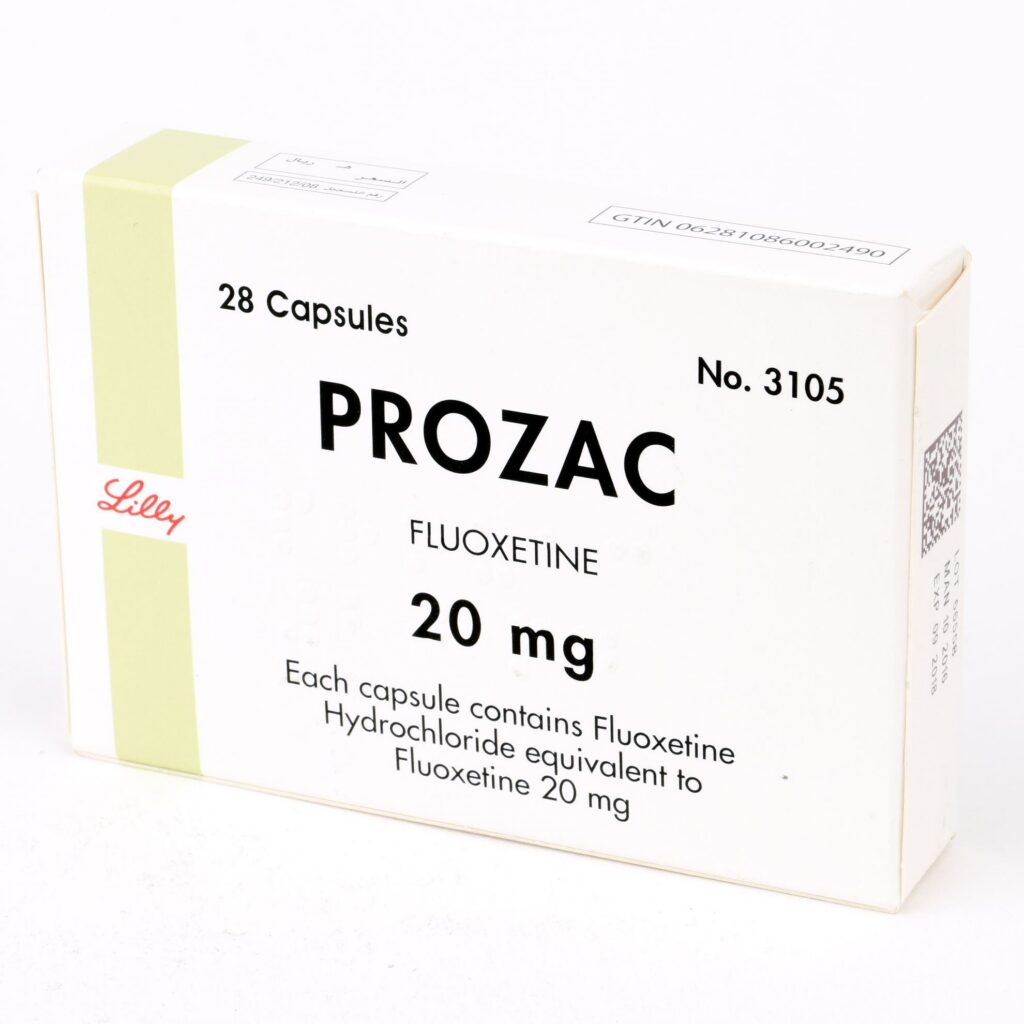
Stopping Prozac isn’t as simple as putting down the pill bottle. Even though fluoxetine has a reputation for being easier to discontinue than other antidepressants, withdrawal symptoms can still catch people off guard. This guide breaks down what happens when you stop taking Prozac, how to recognize withdrawal versus relapse, and the safest ways to taper off this medication.
Quick Overview: Prozac Withdrawal Symptoms and Why They Happen
Prozac (fluoxetine) is a selective serotonin reuptake inhibitor (SSRI) that changes brain chemistry over time. When you stop taking it too quickly, your brain struggles to readjust, leading to withdrawal symptoms that can range from mildly annoying to genuinely disruptive. This reaction is formally called antidepressant discontinuation syndrome, and it stems from sudden shifts in serotonin levels.
The most common Prozac withdrawal symptoms include dizziness, flu like symptoms, nausea, sleep problems, irritability, extreme anxiety, mood swings, and the infamous brain zaps—those strange electrical shock sensations in your head. Research suggests that more than half of people discontinuing antidepressants experience some form of withdrawal, though severity varies widely.
Here’s the critical point: no one should stop Prozac abruptly without medical supervision. For those who need structured support, Oceans Luxury Rehab & Detox in California offers medically supervised detox and tapering programs specifically designed for antidepressant withdrawal. Throughout this article, you’ll learn how to distinguish withdrawal from relapse, understand realistic timelines, and discover practical strategies for making this transition as safe as possible.
What Is Prozac and Why Do Withdrawal Symptoms Occur?
Prozac (fluoxetine) received FDA approval in 1987 and remains one of the most prescribed psychiatric medications for major depressive disorder, obsessive-compulsive disorder, panic disorder, and bulimia nervosa. Some prescribers also use it off-label for conditions like bipolar disorder and major depression that hasn’t responded to other medications.
SSRIs work by blocking the reabsorption of serotonin in the brain, effectively increasing its availability. Over weeks to months, this changes how your brain’s receptors respond to serotonin—a process called down-regulation. Your brain essentially recalibrates to function with the medication present.
Why withdrawal happens:
Your brain adapts to Prozac by adjusting receptor sensitivity and creating a new chemical balance
When you suddenly decrease or stop the dose, this balance gets disrupted
The body adjusts, but this recalibration takes time and can cause withdrawal symptoms
Prozac has a long half life compared to other SSRIs—about 4-6 days for fluoxetine itself and up to 16 days for its active metabolite norfluoxetine. This slower elimination generally makes withdrawal milder and more delayed than with shorter-acting antidepressants like paroxetine. However, “milder” doesn’t mean “nonexistent.”
It’s worth noting that Prozac isn’t addictive in the traditional sense—you won’t experience cravings or compulsive drug-seeking. But physiological dependence is real, which is exactly why antidepressant withdrawal effects occur when you stop taking antidepressants.
Common Prozac Withdrawal Symptoms
Symptoms vary considerably between people and depend on your dose, how long you’ve been taking the medication, and individual sensitivity. Here’s what you might experience withdrawal symptoms in different categories:
Physical symptoms:
Dizziness and lightheadedness
Fatigue and muscle pain
Flu like symptoms including chills, sweating, and body aches
Nausea, vomiting, diarrhea, and appetite loss
Headaches and muscle tension
Unsteady gait and balance problems
Neurological symptoms:
Brain zaps (bizarre sensations like electrical shock feelings in your head or body)
Tingling, numbness, and restless legs
Visual disturbances and ringing in the ears
Difficulty concentrating and memory issues
Strange tastes or unusual smells
Emotional and mental symptoms:
Irritability and agitation
Mood swings and mood changes
Anxiety and panic attacks
Sudden tearfulness and mood related symptoms
Temporary worsening of depressive feelings
Sleep-related symptoms:
Insomnia and restless sleep
Vivid dreams, unusual dreams, or nightmares
Hypersomnia (sleeping excessively)
Some people also report sensory sensitivity, involuntary movements, difficulty controlling speech and chewing movements, and changes in sexual function. Severe symptoms such as suicidal thoughts, suicidal ideation, intense agitation, or confusion are medical emergencies requiring immediate professional help.

Withdrawal vs Relapse: How to Tell the Difference
One of the hardest parts of stopping Prozac is distinguishing between the following withdrawal symptoms and a genuine return of your original condition. Getting this wrong can lead to unnecessary medication restarts or, conversely, inadequate treatment for true relapse.
Onset timing:
Withdrawal typically starts within days to a few weeks after dose reduction—for Prozac, often 7-21 days due to its long half life
Relapse tends to develop more gradually over several weeks to months
Symptom profile:
Withdrawal often includes flu like symptoms, dizziness, brain zaps, and sensory disturbances that weren’t part of your original illness
Relapse more commonly recreates the original depressive or anxiety symptoms: hopelessness, negative thinking, loss of interest
Time course:
Many discontinuation symptoms improve over days to weeks as your brain recalibrates
True relapse usually persists or worsens without treatment
Because Prozac leaves the body slowly, withdrawal can be mistaken for a new depressive episode when symptoms appear later than expected. Keeping a simple daily log tracking date, dose, main symptoms, and severity helps your healthcare provider distinguish between the two.
At Oceans Luxury Rehab & Detox, clinicians review symptom timelines closely and adjust tapering schedules or add supportive therapies to differentiate and manage withdrawal versus relapse safely.
How Long Do Prozac Withdrawal Symptoms Last?
Timelines are highly individual, but research and clinical experience provide general patterns worth understanding.
Because Prozac and its metabolite remain in your system for weeks, withdrawal symptoms often start later than with other SSRIs—commonly 1-3 weeks after your last dose or a major dose reduction. This delay can be confusing if you’re not expecting it.
General timeline:
Early phase (days 1-7): Minimal symptoms for most people due to Prozac’s slow elimination
Emergence phase (days 7-14): Initial symptoms like dizziness, irritability, headaches, and fatigue begin appearing
Peak phase (weeks 2-4): Most intense symptoms including brain zaps, sleep problems, mood swings, and nausea
Recovery phase (weeks 4-8+): Gradual improvement, though lingering anxiety or low mood may persist
For many people, moderate symptoms resolve within 2-8 weeks. However, some experience protracted withdrawal lasting several months, and rarely, symptoms persist beyond a year—particularly after long-term, high-dose use or a sudden decrease in medication.
Factors that lengthen withdrawal:
Higher doses (40-80 mg daily)
Use for many years (5+ years especially)
History of difficult withdrawal with other antidepressants or other medications
Co-occurring substance use
Underlying medical conditions
A careful, individualized taper under medical supervision can significantly shorten and soften this timeline compared with stopping suddenly.
Factors That Increase the Risk or Severity of Prozac Withdrawal
Some people face more difficult withdrawal even with Prozac’s favorable pharmacokinetics. Understanding these risk factors helps you plan accordingly.
Key risk factors include:
Stopping “cold turkey” without tapering
Reducing dose too quickly
Long-term use (more than 2-5 years of maintenance treatment)
Higher daily doses
Past problems discontinuing antidepressants or different antidepressants
Genetic variations affecting how your liver processes fluoxetine
Co-occurring mental health conditions like bipolar disorder, PTSD, or panic disorder can complicate withdrawal. Physical illnesses such as thyroid problems or chronic pain syndromes add additional complexity.
Using alcohol, benzodiazepines, opioids, or other substances worsens symptoms and makes interpretation more difficult. Lack of social support, high current stress, or unstable housing magnifies the subjective distress of withdrawal.
Working with a multidisciplinary team—like the psychiatrists, therapists, and medical staff at Oceans Luxury Rehab in Orange County—helps identify and reduce these risk factors before tapering begins.
How to Stop Prozac Safely
The safest way to stop Prozac is through slowly tapering, guided by a prescribing clinician familiar with SSRI discontinuation. Abrupt discontinuation should only happen in rare situations where a physician recommends immediate cessation due to severe adverse effects.
Typical tapering approach:
Reduce dose by 10-25% every 2-4 weeks
For sensitive individuals, smaller reductions (5-10%) over several weeks or months
Use liquid formulations or compounding pharmacies for fine-grained dose adjustments
Consider alternate-day dosing cautiously under medical guidance
Some clinicians cross-taper from Prozac to another antidepressant medication if ongoing treatment is needed, carefully balancing withdrawal risks with symptom control. This approach uses progressively smaller doses while monitoring closely.
Plan your taper during relatively stable life periods—not during major crises. Schedule regular check-ins weekly or biweekly at first to adjust as needed.
Oceans Luxury Rehab & Detox provides structured, medically supervised tapering plans with 24/7 monitoring, which proves especially helpful for people with complex histories or prior difficult withdrawal experiences, and their luxury detox and rehab process is designed to support safe, comfortable transitions.

Managing Prozac Withdrawal Symptoms at Home
Mild to moderate Prozac withdrawal can often be managed at home if you stay in close contact with your healthcare provider.
Lifestyle strategies:
Maintain regular sleep and wake times
Engage in gentle daily physical activity like walking or yoga
Stay hydrated and eat balanced meals to stabilize energy and mood
Limit caffeine, which can worsen anxiety
Stress reduction practices:
Diaphragmatic breathing exercises
Mindfulness meditation or app-guided relaxation
Progressive muscle relaxation
Over-the-counter pain relievers may help with headaches or body aches if approved by your physician. Limit or avoid alcohol and cannabis during withdrawal—they intensify mood changes and interfere with sleep.
Create a simple “withdrawal plan” that includes daily routines, coping skills, support contacts, and warning signs that should prompt a call to a professional. Involve trusted family members or friends who can provide emotional support and help monitor symptoms.
If symptoms become severe—uncontrollable anxiety, suicidal thoughts, or inability to function at work or home—more intensive support or inpatient luxury drug rehab in Orange County may be needed.
When to Seek Professional or Inpatient Help
Some situations exceed what can be safely managed at home and require prompt professional evaluation.
Red-flag symptoms requiring immediate help:
Suicidal thoughts or self-harm behaviors
Intense or rapidly worsening depression
Panic attacks multiple times daily
Confusion, hallucinations, or speech and chewing movements that seem involuntary
Profound insomnia or inability to eat or drink
Sudden mood elevation, racing thoughts, or risky behavior can signal emerging mania, especially in people with bipolar spectrum conditions—this needs urgent medical review.
People with history of suicide attempts, severe anxiety, co-occurring substance use disorders, or unstable living situations benefit from structured, Orange County luxury detox with 24/7 monitoring during tapering. Oceans Luxury Rehab & Detox in Orange County, California offers luxury detox and rehab in Laguna Beach, with medical detox oversight, continuous nursing care, psychiatrist-directed tapering, therapy, and holistic supports in a calm, private environment—making it the best treatment option for comprehensive antidepressant withdrawal support.
If there’s imminent risk of self-harm, call emergency services or a crisis hotline immediately rather than waiting for a routine appointment.

Treatment Options and Ongoing Support After Prozac
Stopping Prozac is only one part of long-term mental health care. Many people need ongoing support to stay well after tapering.
Evidence-based therapies that help prevent relapse:
Cognitive behavioral therapy (CBT)
Mindfulness-based cognitive therapy (MBCT)
Interpersonal therapy (IPT)
Some individuals transition to other antidepressants or alternative treatment approaches based on their diagnosis and symptom history, or enter a luxury drug and alcohol detox program near Southern California, following guidelines evidence based practices recommend.
Regular follow-up appointments in the first 3-6 months after stopping antidepressants help monitor for emerging symptoms, and some people benefit from step-down care that includes access to a luxury detox program in Los Angeles. Oceans Luxury Rehab & Detox coordinates step-down levels of care—residential treatment, partial hospitalization, or intensive outpatient support—focusing on both withdrawal management and long-term recovery.
Building a robust support network including therapists, psychiatrists, peer support groups, and family, as well as considering specialized options like a detox center in Los Angeles with luxury amenities, maintains stability after medication changes. The decision to taper or remain on Prozac should be made collaboratively with qualified professionals based on a systematic review of your individual situation—not from guilt, pressure, or misinformation.
Key Takeaways About Prozac Withdrawal Symptoms
Prozac withdrawal is real but often milder and delayed compared with other SSRIs due to its long half life
Symptoms can affect your body, emotions, and thinking, but are typically temporary as your brain readjusts
Slow, individualized tapering with progressively smaller doses reduces risk and severity compared to abrupt cessation
Watch for signs suggesting relapse or serious complications, and seek immediate help for suicidal thoughts or extreme distress
The process of stopping Prozac can cause withdrawal symptoms, but proper planning makes all the difference
No one has to face antidepressant discontinuation syndrome alone—medical providers, therapists, and specialized centers like Oceans Luxury Rehab & Detox in Orange County, California guide safe, compassionate transitions off antidepressants safely
With proper support and medical supervision, many people successfully discontinue Prozac and move forward with effective, sustainable mental health care. If you’re considering stopping your antidepressant medication, start the conversation with your healthcare provider today—and know that comprehensive support is available when you need it.
