

Breaking the Myth: How IOP Actually Protects Your Career
Will intensive outpatient rehab keep you from getting a job? The short answer is no – in fact, it’s more likely to help your career than hurt it. Here’s what the research shows:
Quick Facts:
- Job Protection: Federal laws (ADA, FMLA) protect employees seeking addiction treatment
- Flexible Scheduling: IOP requires only 9-20 hours per week, allowing continued employment
- Better Performance: People who get treatment are more likely to retain their jobs
- Confidentiality: HIPAA protects your medical privacy from employers
- No Background Issues: IOP attendance doesn’t appear on background checks
The fear of losing your job often keeps professionals from seeking help. But here’s the reality: 14.5 million Americans have alcohol use disorders, and 10% of adults have had drug use disorders at some point. Many continue working while getting treatment through intensive outpatient programs.
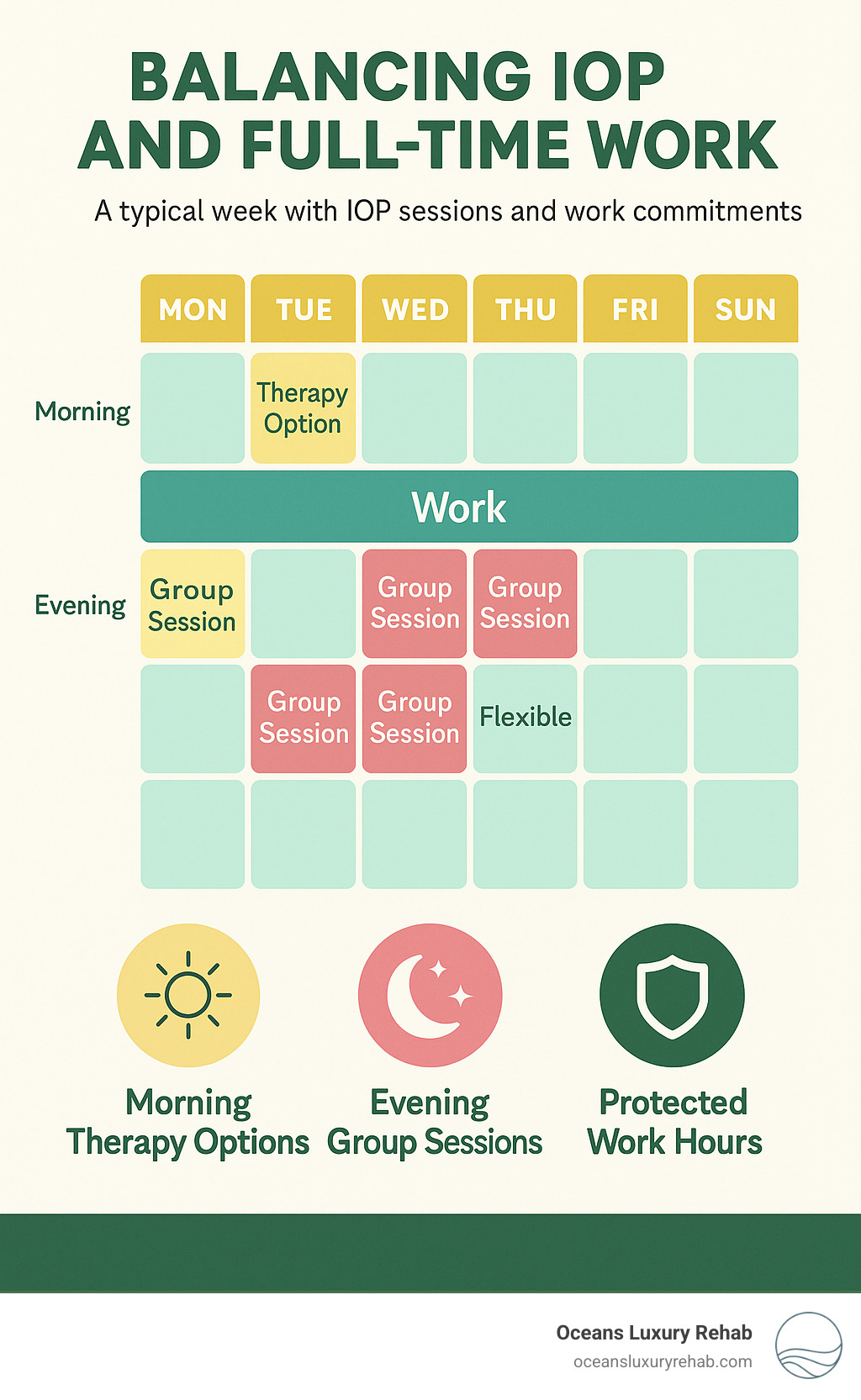
Unlike inpatient rehab that requires taking extended leave, IOP lets you attend therapy sessions before or after work. Most programs schedule evening sessions specifically for working professionals. You can maintain your income, keep your routine, and get the help you need.
The biggest career risk isn’t seeking treatment – it’s not seeking treatment when you need it.
As Clint Kreider, I’ve spent 5 years in addiction treatment and 8 years in private practice, helping clients steer exactly this concern. The truth is, IOP often strengthens your career stability rather than threatening it.
Will intensive outpatient rehab keep you from getting a job vocabulary:
Will Intensive Outpatient Rehab Keep You From Getting a Job? Facts vs Myths

Here’s the truth: will intensive outpatient rehab keep you from getting a job is the wrong question. The real question is whether not getting treatment will keep you from keeping the job you have.
According to scientific research on alcohol statistics, nearly 15 million Americans struggle with alcohol use disorders. Most of them are working. They’re in boardrooms, hospitals, classrooms, and construction sites. Scientific research shows that 10% of adults have battled substance use at some point.
The myths about treatment destroying careers come from outdated ideas about addiction treatment. People picture dramatic interventions and month-long disappearances. But modern intensive outpatient programs work entirely differently.
Federal laws actually protect you when you seek treatment. The Americans with Disabilities Act shields you from discrimination. The Family Medical Leave Act gives you job-protected time off if needed. HIPAA keeps your treatment completely private.
The real career killer isn’t seeking treatment – it’s the slow erosion that happens when addiction goes untreated. Missing important meetings. Calling in sick too often. Making mistakes that used to be unthinkable.
What Is Intensive Outpatient Rehab and How Does It Compare to Inpatient Care?
Think of intensive outpatient rehab as the “have your cake and eat it too” option for working professionals. While inpatient treatment requires you to press pause on your entire life, IOP lets you keep all your plates spinning.
Inpatient treatment means living at a facility 24/7 for 30 to 90 days. Intensive outpatient programs flip this model entirely. You sleep in your own bed, keep your work schedule, and attend therapy sessions for 9 to 20 hours per week. Sessions typically run in the evenings or early mornings, designed specifically around work schedules.
| Treatment Type | Time Commitment | Living Situation | Work Compatibility | Cost Range |
|---|---|---|---|---|
| Inpatient | 24/7 for 30-90 days | On-site facility | Not compatible | $30,000-$100,000+ |
| IOP | 9-20 hours/week | Home or sober living | Fully compatible | $5,000-$15,000 |
The cost difference alone makes IOP attractive to working professionals. But the real advantage is maintaining the stability that employment brings to recovery.
Will Intensive Outpatient Rehab Keep You From Getting a Job if You’re Currently Employed?
If you’re currently working, the question becomes about keeping the job you have. And here’s where the research gets encouraging.
People who get treatment are more likely to keep their jobs than those who don’t. Untreated addiction leads to decreased productivity, increased sick days, workplace accidents, and strained relationships with colleagues. Treatment addresses these issues at their source.
Your job performance typically improves during IOP. Clients report better focus, fewer absences, improved relationships with coworkers, and better problem-solving abilities.
Confidentiality protects you completely. Under HIPAA, your participation in IOP remains private. Your employer has no right to know about your treatment unless you choose to share it.
The scheduling works around your career. Most IOP programs offer evening sessions specifically for working professionals. At Oceans Luxury Rehab, our evening groups run from 6 to 9 PM, allowing people to attend after their workday.
Legal protections give you peace of mind. The ADA prevents discrimination based on addiction treatment. FMLA provides job-protected leave if you need time off.
More info about Outpatient Rehab
Will Intensive Outpatient Rehab Keep You From Getting a Job When You’re Job Hunting?
For job seekers, the concern often centers on background checks and explaining gaps in employment. Let me put your mind at ease with some facts.
IOP participation doesn’t appear on background checks. These screenings look for criminal records, not medical treatment. Your participation in addiction treatment is protected health information under HIPAA.
The ADA prohibits discrimination based on past addiction treatment. Even if an employer somehow learned about your treatment history, they legally cannot use it as a reason not to hire you.
Employment gaps can actually strengthen your position when you’ve addressed them through treatment. If you have gaps due to addiction issues, completing IOP shows responsibility and self-awareness.
The skills you learn in IOP translate directly to workplace success. Better communication, stress management, problem-solving, emotional regulation, and time management – these are exactly what employers want.
Success stories are more common than you think. I’ve worked with clients who received job offers while in treatment. One marketing professional got promoted during IOP because her performance improved so dramatically.
The reality is that recovery often makes you a better employee, not a liability. Employers increasingly recognize that people in recovery bring dedication, honesty, and resilience that’s hard to find elsewhere.
Balancing IOP, Legal Protections, and Your Career: Action Plan
You’ve decided to seek help. That’s the hardest part. Now comes the practical question: how do you actually make this work with your career?
When clients ask me “will intensive outpatient rehab keep you from getting a job,” I tell them it’s not about whether you can balance both – it’s about learning how to balance both effectively.
The secret to success lies in three key areas: knowing your legal protections, smart scheduling, and strategic communication.
More info about Intensive Outpatient Program
Know Your Rights: ADA, FMLA, HIPAA
The law is actually on your side. Federal protections for people seeking addiction treatment are stronger than most people realize.
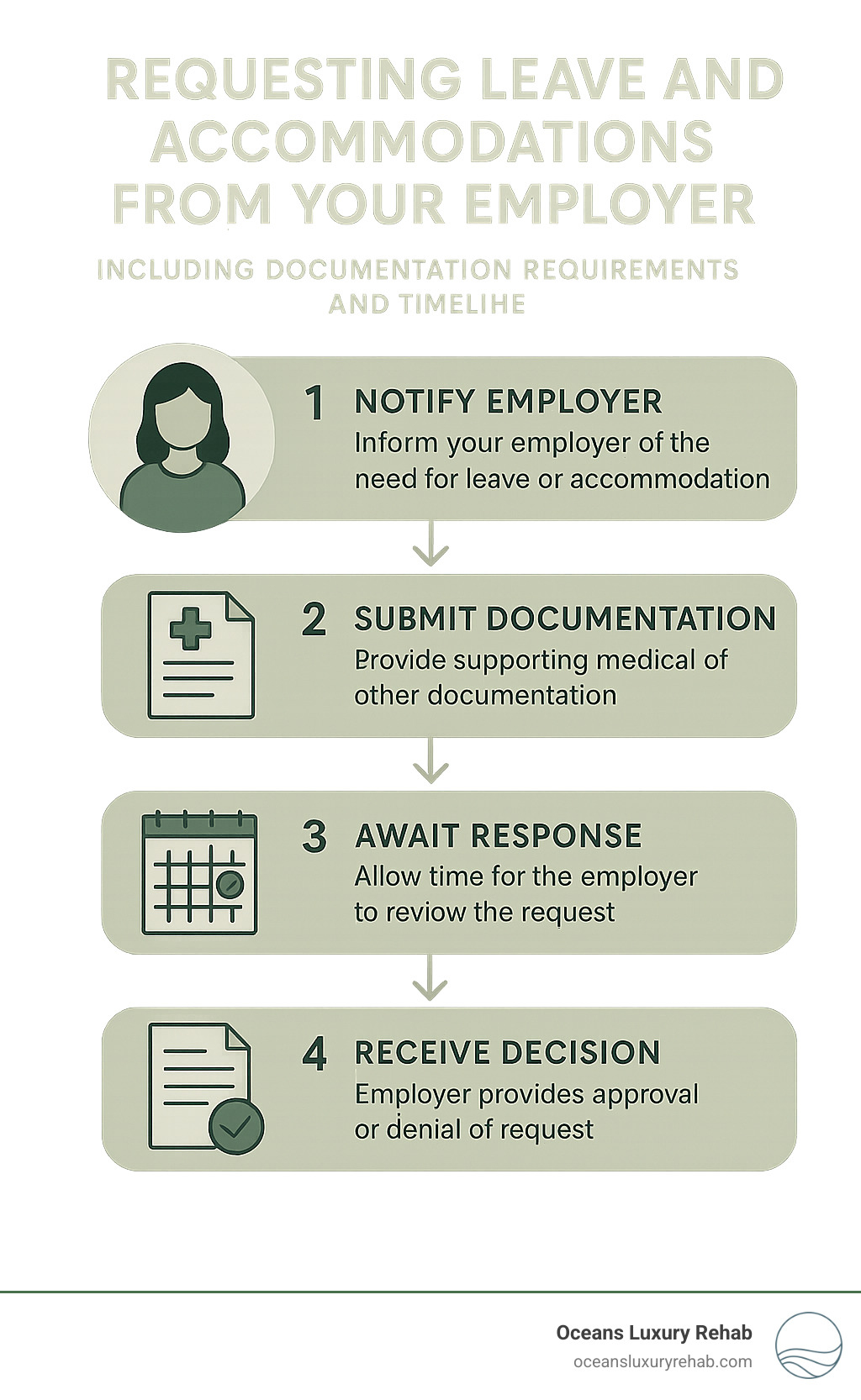
The Americans with Disabilities Act (ADA) treats addiction as a disability, which means you’re protected from discrimination. Your employer cannot fire you, refuse to hire you, or treat you differently because you’re in recovery.
The ADA also requires reasonable accommodations – things like adjusted schedules or modified duties. If you need to leave work early twice a week for therapy, that’s often considered reasonable.
The Family Medical Leave Act (FMLA) gives you up to 12 weeks of unpaid, job-protected leave per year for substance abuse treatment. You can take it intermittently for ongoing treatment.
HIPAA keeps your treatment completely confidential. Your employer has no right to know details about your medical care. Even if you take FMLA leave, you only need to provide basic documentation.
These aren’t just nice ideas – they’re federal laws with serious penalties for violations.
Scheduling Strategies and Employer Communication
The beauty of IOP is its flexibility. Most programs offer evening sessions from 6-9 PM specifically for working professionals. Some programs also offer morning sessions starting as early as 6 AM for people with flexible schedules.
Transportation planning is important. Factor in Orange County traffic when scheduling sessions. Build in buffer time so you’re not stressed about getting back to work or making it to therapy on time.
When it comes to employer communication, you have options. You’re not required to disclose your participation in IOP, but if you choose to communicate, keep it simple and professional.
Self-care becomes non-negotiable when you’re balancing work and treatment. You need adequate sleep, regular exercise, and healthy nutrition.
Certain job types work particularly well with IOP schedules: remote work positions offer the most flexibility, while healthcare and social services jobs often come with understanding employers.
Next Steps & Confidential Help

At Oceans Luxury Rehab, we specialize in helping professionals create treatment plans that work with their careers, not against them.
Our confidential consultation process starts with understanding your specific situation. What’s your work schedule like? What are your biggest concerns about balancing treatment and career?
We then create a personalized treatment schedule that fits your professional life. This might mean evening sessions, weekend options, or a hybrid approach. We also handle insurance verification to minimize your out-of-pocket costs.
Common concerns we address include worries about confidentiality (we maintain strict privacy), time off work (most sessions are outside work hours), and career impact (treatment typically improves job performance).
Our Orange County location offers practical advantages for working professionals: central location, convenient parking, discrete professional environment, and flexible scheduling options.
The financial reality is that most major insurance plans cover IOP treatment. The cost of treatment is typically far less than the potential career and financial losses from untreated addiction.
Here’s the truth: will intensive outpatient rehab keep you from getting a job? Not only will it not keep you from getting a job, it will likely save the one you have and improve your chances of getting better ones in the future.
The real risk isn’t seeking treatment – it’s continuing to struggle alone. Untreated addiction has a way of making career decisions for you, and they’re rarely good ones.
Ready to take the next step? Contact Oceans Luxury Rehab today for a confidential consultation. Our team understands the unique challenges facing working professionals, and we’re here to help you create a treatment plan that protects both your health and your career.
Remember: seeking help isn’t a sign of weakness – it’s a sign of professional responsibility. Your future self will thank you for taking this step.
More info about A Comprehensive Guide to Outpatient Rehab Treatment Options