
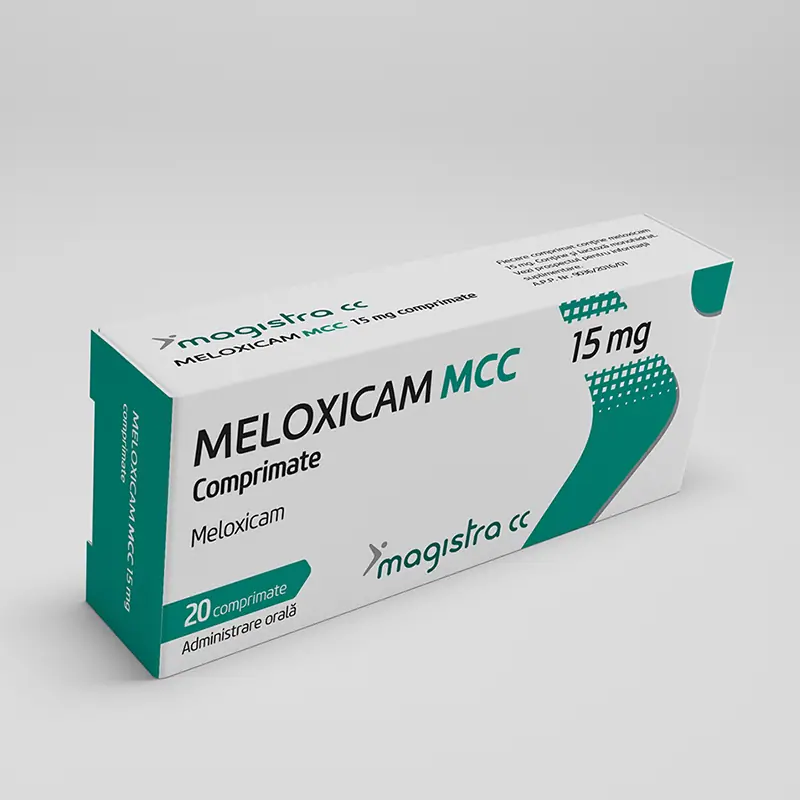
Meloxicam is a widely prescribed pain reliever, but its most dangerous complications can affect multiple organ systems—and some can be life-threatening. If you’re taking this medication or considering it, understanding the worst outcomes is essential for protecting your health.
Quick Answer: The Worst Meloxicam Side Effects You Must Know
The most serious side effects of meloxicam target five critical areas of your body: your heart and blood vessels, your stomach and intestines, your kidneys, your liver, and your skin. These aren’t minor inconveniences—they represent genuine medical emergencies that can develop suddenly, even in people who’ve tolerated the medication for months.
The top “worst” complications include heart attack, stroke, and heart failure from cardiovascular damage. Life-threatening gastrointestinal bleeding and stomach ulcers can occur without warning. Acute kidney failure may develop, particularly in vulnerable patients. Severe liver injury, though less common, can progress rapidly. Anaphylaxis—a serious allergic reaction called anaphylaxis—can cause airway closure within minutes. Finally, toxic skin reactions like Stevens-Johnson syndrome can be fatal if not treated immediately.
When should you call 911 immediately? Seek emergency care if you experience chest pain or pressure, sudden weakness on one side of your body, trouble speaking or understanding speech, vomiting blood or material resembling coffee grounds, black or bloody stools, severe shortness of breath or trouble breathing, swelling of your face or tongue, or a purple blistering rash spreading across your body.
For individuals who are misusing meloxicam, combining it with alcohol, opioids, or other substances, Oceans Luxury Rehab & Detox in Orange County, California offers medically supervised detox and comprehensive rehabilitation through its luxury rehab in California. Their team can help manage the complex medical issues that arise from medication misuse while addressing underlying pain and addiction concerns.
The tone of this information is educational and cautionary—not meant to frighten you away from a medication that helps millions manage arthritis pain. However, meloxicam must be used only under medical supervision, at the lowest effective dose for the shortest possible time.

What Is Meloxicam and Why Side Effects Can Be So Serious?
Meloxicam is a prescription nonsteroidal anti inflammatory drug commonly used to relieve pain and reduce inflammation in conditions like osteoarthritis, rheumatoid arthritis, and juvenile rheumatoid arthritis. Typical doses range from 7.5 mg to 15 mg taken once daily, making it convenient for long-term management of chronic joint pain.
The medication works by preferentially inhibiting COX-2 enzymes, which reduces the production of inflammatory prostaglandins—chemical messengers that cause pain, swelling, and fever. While this mechanism effectively reduces arthritis symptoms, the same prostaglandins perform essential protective functions throughout your body. They help maintain the stomach’s protective mucous lining, regulate blood flow to your kidneys, influence blood vessel tone and blood pressure, and affect platelet function in blood clotting.
In the United States, meloxicam is sold under brand names like Mobic and is available as meloxicam oral tablet formulations, capsules, and liquid suspensions. It’s one of the most commonly prescribed NSAIDs because of its once-daily dosing and relatively favorable GI profile compared to older anti-inflammatory medications.
This article focuses specifically on the worst, most dangerous effects of meloxicam—not every minor symptom like mild nausea, headache, or upset stomach that might resolve on its own. If you experience minor discomfort, talk with your doctor about whether continuing the medication makes sense.
People with complex medical histories or those using other substances—alcohol, opioids, benzodiazepines—face compounded risks. For these individuals, comprehensive medical care becomes essential. Oceans Luxury Rehab & Detox in Orange County provides high-end luxury detox for drug and alcohol addiction treatment for those whose medication use has become problematic or dangerous.
Severe Cardiovascular Risks: Heart Attack, Stroke, and Heart Failure
Meloxicam carries an FDA boxed warning—the agency’s most serious safety alert—for cardiovascular thrombotic events, including myocardial infarction (heart attack) and ischemic stroke. These life-threatening events can occur as early as the first weeks of therapy, not just after years of use.
The main cardiovascular dangers you need to understand include:
Heart attack: Caused by blood clots blocking coronary arteries
Stroke: Resulting from clots in brain blood vessels or blood vessel rupture
New or worsening heart failure: From fluid retention and increased blood pressure
Dangerous increases in blood pressure: Which strain the heart and blood vessels
How does blocking prostaglandins cause these problems? Certain prostaglandins help keep blood vessels relaxed and open, prevent excessive clotting, and help the kidneys eliminate excess sodium and water. When meloxicam reduces these protective prostaglandins, blood vessels can constrict, clots form more easily, increased blood pressure develops, and extra fluid puts strain on an already compromised heart.
High-risk groups for cardiovascular complications include people with prior heart attack or stroke, coronary artery disease or blood vessel disease, peripheral vascular disease, uncontrolled hypertension, diabetes, high cholesterol, active smokers, and anyone taking meloxicam long-term or at the maximum 15 mg daily dose.
The warning signs of cardiovascular emergencies require immediate recognition. Crushing or pressure-like chest pain, pain radiating to your left arm or jaw, sudden shortness of breath, sudden confusion, slurred speech sudden vision changes, drooping on one side of the face, or sudden loss of balance all demand emergency care—call 911 immediately.
Importantly, meloxicam is absolutely contraindicated for pain control immediately before or after coronary artery bypass graft (CABG) surgery. Clinical trials showed dramatically higher rates of heart attack and stroke in this setting, leading to strict FDA restrictions.
Never stop heart medications on your own, but do discuss meloxicam risks openly with your cardiologist or primary care doctor. For individuals who have been misusing NSAIDs alongside stimulants, alcohol, or other substances—dramatically increasing cardiovascular strain—structured treatment at Oceans’ inpatient luxury drug rehab in Orange County can provide the medical oversight needed to safely address multiple health concerns simultaneously.
Gastrointestinal Emergencies: Ulcers, Bleeding, and Perforation
Life-threatening stomach and intestinal damage represents one of the most feared serious gastrointestinal side effects of meloxicam. What makes these complications particularly dangerous is that bleeding or perforation can occur without obvious warning signs—no stomach pain, no indigestion, no hint that something catastrophic is developing inside your digestive tract.
The mechanism is straightforward: meloxicam reduces the protective prostaglandins that normally maintain the stomach’s mucous barrier, stimulate mucus production, promote blood flow to the stomach lining, and help neutralize stomach acid. Without adequate protection, your own digestive acids begin eroding the stomach and duodenal walls, creating ulcers that can bleed or perforate entirely.
The worst GI complications include:
Complication | Description | Severity |
|---|---|---|
Bleeding ulcers | Erosion into blood vessels | Can cause life-threatening blood loss |
Massive GI hemorrhage | Sudden, severe bleeding | Medical emergency |
Perforation | Hole through stomach/intestinal wall | Surgical emergency |
Severe gastritis/esophagitis | Widespread inflammation | Chronic pain, bleeding risk |
Research indicates that upper gastrointestinal hemorrhage occurred at a rate of 0.4 per 1000 months of exposure during meloxicam use—a statistic that sounds small until you’re the patient experiencing it. |
Who faces the highest risk? Adults over 65, people with a history of peptic ulcer disease or GI bleeding, smokers, heavy alcohol users, and patients taking blood thinner medications (warfarin, direct oral anticoagulants), corticosteroids, SSRIs or SNRIs, or other NSAIDs including over the counter options like ibuprofen.
Recognize these danger signals and contact your doctor immediately or go to the emergency room: burning or gnawing severe stomach pain, stomach pain that wakes you at night, vomiting blood or “coffee-ground” material, black tarry stools or bright red blood in stool, dizziness or fainting, or sudden sharp abdominal pain with a rigid, board-like belly (suggesting perforation). Bloody diarrhea weight gain that’s sudden and unexplained may also indicate serious gastrointestinal problems, as can stomach pain watery diarrhea that persists.
Prevention strategies matter. Use the lowest effective dose for the shortest time, avoid combining with other NSAIDs (including over the counter options), limit alcohol consumption, and ask your healthcare provider about protective medications like proton pump inhibitors if long-term therapy is unavoidable.
People who consistently use high doses to self-medicate chronic pain, especially alongside alcohol or other drugs, face compounded GI risks. A comprehensive detox and pain-management plan at centers like Oceans Luxury Rehab, an Orange County rehab and luxury detox center, can address both the substance use and the underlying pain driving dangerous medication patterns.

Liver Damage and Hepatotoxicity
Clinically significant liver injury with meloxicam is less common than GI or cardiovascular events, but it can be rapidly progressive and potentially fatal if not recognized early. The liver processes virtually every medication you take, and meloxicam can sometimes trigger serious hepatotoxic reactions.
Key forms of liver injury associated with meloxicam include:
Elevated liver enzymes (AST, ALT) on blood and urine tests
Cholestatic hepatitis (bile flow obstruction)
Jaundice (yellowing of skin and eyes)
Acute liver failure requiring transplant
Very rare fulminant hepatic necrosis
Unlike dose-dependent liver damage from medications like acetaminophen, meloxicam-related liver injury is often idiosyncratic—meaning it’s unpredictable and can occur through immune-mediated mechanisms. This type of reaction may develop within weeks to a few months of starting the medication, often without warning.
The warning signs of liver problems require prompt attention: yellowing of the skin or eyes (jaundice), dark urine that looks like tea or cola, pale or clay-colored stools, persistent itching without rash, upper right abdominal or stomach pain or tenderness, persistent nausea, profound unusual tiredness, or unexplained flu-like symptoms with chills greatly decreased frequency of eating.
Patients with pre-existing liver disease—hepatitis B or C, cirrhosis, heavy alcohol use, or fatty liver disease—require extra caution. Baseline and periodic liver function tests become essential, and an alternative pain management strategy may be safer.
If marked liver test abnormalities or jaundice appear, meloxicam should be stopped immediately with prompt medical evaluation in an emergency department or urgent care setting. Liver failure can progress rapidly once symptoms become apparent.
For individuals whose liver injury is related to broader substance misuse or chronic heavy drinking, enrolling in a luxury drug and alcohol detox program near Southern California at Oceans Luxury Rehab & Detox can be critical for recovery. Their medical team can monitor liver function while helping patients safely transition away from harmful substance patterns.
Kidney Injury, Fluid Retention, and Blood Pressure Spikes
Meloxicam can significantly impair kidney blood flow, leading to acute kidney injury, worsening of chronic kidney disease, and dangerous fluid retention. These kidney problems can develop silently, often detected only through routine blood work—or when symptoms become severe.
The physiology is important to understand: your kidneys depend on certain prostaglandins to keep blood vessels dilated and maintain adequate blood flow, especially when the body is stressed by dehydration, heart failure, or pre-existing kidney dysfunction. NSAIDs like meloxicam block these protective prostaglandins, potentially starving the kidneys of the blood flow they need to function.
The worst renal complications include acute kidney failure requiring dialysis, nephrotic-range protein loss in the urine, hyperkalemia (dangerously high potassium levels), and severe edema leading to shortness of breath or uncontrolled hypertension.
Symptoms suggesting kidney damage include reduced or absent urination, dark urine or foamy urine, swelling of legs, ankles, feet unusual bleeding, or face swollen glands trembling, sudden weight gain over just a few days (from fluid retention), shortness of breath when lying flat, new or worsening high blood pressure, confusion, or extreme fatigue.
High-risk groups for kidney complications:
Risk Factor | Why It Increases Risk |
|---|---|
Age over 65 | Reduced baseline kidney function |
Pre-existing CKD | Kidneys already compromised |
Diabetes | Vascular and kidney damage common |
Heart failure | Kidneys depend on prostaglandins |
Liver cirrhosis | Altered blood flow dynamics |
Diuretic use | Volume depletion worsens NSAID effects |
ACE inhibitors/ARBs | Combined kidney blood flow reduction |
Dehydration | Kidneys highly dependent on prostaglandins |
Baseline and periodic blood tests (creatinine, BUN, electrolytes) and blood pressure monitoring are important for people on ongoing meloxicam therapy, especially at 15 mg daily or if combined with other nephrotoxic drugs. |
Misusing meloxicam for chronic pain, or combining it with over the counter NSAIDs, can silently damage the kidneys over time. Specialized care—including rehab and medical monitoring at Oceans Luxury Rehab’s luxury detox and rehab in Laguna Beach—may be necessary for people stuck in patterns of NSAID overuse who are experiencing declining kidney function.
Severe Skin Reactions and Life-Threatening Allergies
Some of the rarest but most frightening side effects of meloxicam are severe skin reactions and allergic responses that can be fatal if not treated immediately. These aren’t ordinary rashes—they represent the body’s immune system attacking its own skin and tissues.
The specific syndromes to know include:
Stevens-Johnson syndrome (SJS): Painful blistering of skin and mucous membranes
Toxic epidermal necrolysis (TEN): Severe form where large sheets of skin detach
DRESS syndrome: Drug reaction with eosinophilia and systemic symptoms affecting multiple organs
Anaphylaxis: Rapid, whole-body allergic reaction affecting breathing and circulation
These serious skin reactions may begin deceptively like a flu—fever, sore throat rapid breathing redness, fatigue, muscle pain lightheadedness loss of appetite. Then a painful, spreading skin rash appears, followed by blisters on the skin and mucous membranes (mouth, eyes, genitals), extensive skin peeling, tongue red skin lesions, mouth stomach bloating, and involvement of internal organs.
Any sudden swelling of the lips, tongue, or throat; difficulty breathing; tightness or heaviness chills in the chest; fast or irregular heartbeat; or widespread hives requires immediate emergency care—call 911. These are the hallmarks of anaphylaxis, and minutes matter.
People with a history of aspirin-sensitive asthma, prior NSAID-induced anaphylaxis, or previous SJS/TEN with any medication should avoid meloxicam entirely unless a specialist explicitly approves and monitors closely. Ears seizures severe allergic responses can occur in these sensitized individuals.
If you ever develop a severe allergic or skin reaction to meloxicam, you must never take it again. Wear or carry an allergy alert and inform every healthcare provider you see—dentists, surgeons, emergency room staff, everyone.
Emotional trauma and anxiety after a life-threatening drug reaction are common and understandable. Some patients benefit from counseling or supportive environments like those offered during the detox and rehab process in a luxury rehab at Oceans Luxury Rehab & Detox as part of comprehensive recovery from both the physical and psychological aftermath.
Other Serious Neurological and Systemic Effects
In addition to affecting the heart, stomach, liver, kidneys, and skin, meloxicam can sometimes impact the brain and nervous system. While these effects are less common, they can be frightening and require careful evaluation.
Neurological issues that have been reported include severe headache that’s sudden or unlike typical headaches, sudden vision changes, seizures, confusion, fainting, and rare reports of aseptic meningitis—particularly in people with autoimmune diseases like lupus who take meloxicam.
It’s crucial to distinguish between medication side effects and medical emergencies. Sudden slurred speech sudden vision problems, difficulty understanding language, facial drooping, calves severe headache, or loss of coordination sudden onset may indicate a stroke rather than a primary neurological side effect. These symptoms require emergency evaluation regardless of their cause.
Systemic side effects requiring attention include profound fatigue, unexplained bruising or unusual bleeding (suggesting possible platelet or bone marrow effects), and severe shortness of breath where pulmonary embolism or heart failure must be ruled out. Weak pulse fever combinations may indicate serious infection or cardiovascular compromise.
Any rapid change in mental status, seizure-like activity, or collapse should be treated as an emergency and not dismissed as “just the medication” without prompt medical assessment. Tingling feelings burning sensations, pleasure nervousness pain patterns, or excessive tearing feeling in the eyes may also warrant discussion with your healthcare provider.
Using meloxicam alongside sedatives, opioids, or alcohol can worsen dizziness, fainting, and coordination problems. Individuals in that situation—combining multiple substances that affect the nervous system—may need structured luxury detox in Los Angeles at Oceans Luxury Rehab & Detox to safely stabilize before addressing long-term pain management.
Who Is at Highest Risk from the Worst Meloxicam Side Effects?
Understanding risk factors helps you and your healthcare provider make informed decisions about whether meloxicam is appropriate for your situation. Some people face substantially higher odds of experiencing dangerous complications.
Elderly patients over 65 represent one of the highest-risk groups. Age-related changes in kidney function, liver metabolism, and cardiovascular health combine with often-complex medication regimens to increase vulnerability. Research consistently shows that older adults experience more frequent and more severe NSAID-related complications.
People with prior heart attack, stroke, heart failure, or established cardiovascular disease face compounded cardiac risks when taking meloxicam. The medication’s effects on blood pressure, fluid retention, and clotting can destabilize conditions that were previously controlled.
Patients with chronic kidney or liver disease have reduced capacity to process and eliminate the drug, and their organs are more susceptible to additional damage from the medication itself. Poor health in these organ systems requires careful dose adjustment or alternative medications entirely.
Individuals with a history of peptic ulcers or GI bleeding have already demonstrated vulnerability in their digestive tract. Adding meloxicam increases the likelihood of recurrence, potentially with more severe consequences. A very serious bowel problem in the past should prompt careful discussion with your doctor.
Smokers and heavy alcohol users face elevated risks across multiple organ systems—cardiovascular, GI, and liver—making meloxicam particularly hazardous in these populations.
Patients on anticoagulants (blood thinner medications), antiplatelets, corticosteroids, SSRIs/SNRIs, or other NSAIDs experience compounded drug interactions that multiply bleeding risks and other complications.
Pregnancy requires special caution, particularly after 20 weeks when meloxicam can cause premature closure of the ductus arteriosus in the unborn baby, low amniotic fluid, and other serious fetal effects. Breastfeeding mothers should also discuss risks with their healthcare provider.
People with autoimmune conditions like lupus or multiple drug allergies may be more prone to severe hypersensitivity and skin reactions.
The importance of individualized risk-benefit assessment cannot be overstated. Shared decision-making with a prescriber, regular follow-up visits, and blood and urine tests help identify problems early. For some patients—especially those with substance use disorders or repeated high-dose NSAID use—a safer long-term strategy may involve comprehensive pain management and addiction treatment at Oceans Luxury Rehab & Detox.
Drug Interactions That Can Make Side Effects Much Worse
Meloxicam’s worst side effects often appear when it’s combined with other medications, supplements, or alcohol. Understanding these drug interactions helps prevent dangerous combinations.
Interactions that increase bleeding risk:
Drug Class | Examples | Mechanism |
|---|---|---|
Anticoagulants | Warfarin, apixaban, rivaroxaban | Additive bleeding effects |
Antiplatelets | Aspirin, clopidogrel | Impaired clot formation |
SSRIs/SNRIs | Sertraline, venlafaxine | Reduced platelet function |
Corticosteroids | Prednisone | Increased GI ulcer risk |
Other NSAIDs | Ibuprofen, naproxen | Compounded GI/bleeding risk |
Interactions increasing kidney damage risk: |
ACE inhibitors (lisinopril), ARBs (losartan), and diuretics (furosemide) combined with meloxicam can create a “triple whammy” effect on the kidneys, dramatically increasing the risk of acute kidney injury. Body swelling and fluid retention may worsen.
Interactions affecting drug levels:
Meloxicam can increase blood levels of lithium (used for bipolar disorder) and methotrexate (used for arthritis and cancer), potentially causing toxicity. Cyclosporine levels may also be affected.
Drinking alcohol while taking meloxicam substantially increases the chance of GI bleeding and liver injury. Even moderate drinking raises these risks, and heavy alcohol use is particularly dangerous. People who find it difficult to reduce alcohol consumption while on meloxicam may require professional detox and support at programs like Oceans Luxury Rehab & Detox.
Practical recommendations:
Keep an up-to-date medication list including all prescriptions, over the counter drugs, and herbal or vitamin supplements. Never start or stop medications without telling your healthcare provider. Use a single pharmacy when possible so drug interactions are more easily flagged by pharmacists.
Even herbal supplements can be problematic—ginkgo, ginseng, garlic, and fish oil can all increase bleeding risk when combined with meloxicam. Always disclose supplement use to your doctor.
How to Recognize, Respond to, and Reduce the Worst Risks
Many people take meloxicam safely for years, experiencing significant relief from arthritis pain with minimal side effects. Protection depends on early recognition of warning signs and responsible use of the medication.
Recognizing Early Danger Signs
Cardiovascular warnings: Chest pain or pressure, pain spreading to arm or jaw, sudden shortness of breath, sudden confusion or slurred speech, weakness on one side of the body.
GI warnings: Severe or persistent stomach pain, black tarry stools, vomiting blood, unexplained weakness or dizziness, stomach excessive tearing feeling of fullness or bloating that’s new.
Kidney warnings: Reduced urination, swelling in legs or face, sudden weight gain, new or worsening blood pressure elevation.
Liver warnings: Yellow skin or eyes, dark urine, persistent nausea, upper right abdominal pain, extreme fatigue.
Allergic/skin warnings: Any rash with fever, blistering or peeling skin, mouth or eye sores, skin pain, difficulty breathing, facial swelling.
Neurological warnings: Sudden severe headache, vision changes, coordination sudden onset problems, seizures, confusion.
Don’t ignore these symptoms or wait to see if they “go away.” Minutes can matter with some complications.
Emergency Response
Call 911 immediately for: Chest pain, stroke symptoms, trouble breathing, signs of anaphylaxis, major bleeding (vomiting blood, bloody stools, passing out), or widespread blistering rash.
Call your prescribing doctor or go to urgent care for: Persistent stomach discomfort, new swelling, elevated blood pressure readings, reduced urination, jaundice, or concerning but non-life-threatening symptoms.
Prevention Strategies
Use the lowest effective dose for the shortest duration
Avoid combining with other NSAIDs (prescription or over the counter)
Limit alcohol consumption significantly
Stay well-hydrated, especially in hot weather or during illness
Get baseline and periodic blood tests (kidney function, liver function, blood counts)
Monitor your blood pressure regularly
Report any unusual symptoms promptly
Non-drug approaches to managing chronic pain can potentially reduce reliance on meloxicam: physical therapy, weight loss, regular exercise, cognitive-behavioral therapy, and heat/cold therapy all have evidence supporting their use in arthritis management.
When meloxicam use is tied to self-medicating emotional distress, trauma, or addiction, integrated care at a specialized facility like Oceans Luxury Rehab in Orange County can address both pain and underlying mental health or substance issues—a comprehensive approach that medications alone cannot provide.
When to Stop Meloxicam and What to Do Next
Making sudden, unilateral decisions about prescription medications is generally risky, but certain situations demand that meloxicam be stopped immediately with urgent medical attention.
Stop meloxicam immediately and seek emergency care if you experience: Suspected heart attack or stroke symptoms, signs of serious GI bleeding (vomiting blood, black stools, passing out), sudden severe kidney symptoms (no urination, severe swelling), signs of acute liver failure (jaundice with confusion), anaphylaxis symptoms (throat swelling, inability to breathe), or a blistering/peeling rash with fever.
In non-emergency situations—persistent stomach discomfort, mildly elevated blood pressure, mild swelling—contact your prescriber promptly to discuss dose reduction, switching to another medication, or adding protective therapies. Don’t just stop taking meloxicam and hope for the best; work with your doctor on a plan.
Safe transitions require medical guidance:
Tapering when advised by your physician
Choosing alternative pain control options (acetaminophen, topical NSAIDs, non-pharmacologic treatments)
Scheduling follow-up labs or imaging if organ damage is suspected
Documenting adverse effects with dates, symptoms, and doses to help providers make informed decisions
Keep records of any adverse effects you experience. This information helps doctors and pharmacists make better decisions and supports FDA MedWatch reports that help other patients.
Patients who realize they’ve been overusing meloxicam or mixing it with alcohol, opioids, or other substances should consider seeking help from a comprehensive detox and rehab program. Oceans Luxury Rehab & Detox can coordinate with physicians to design safer long-term pain and addiction treatment plans, helping you break free from dangerous patterns while addressing the underlying reasons for medication misuse.
Frequently Asked Questions About the Worst Meloxicam Side Effects
What is the number one serious side effect of meloxicam? The cardiovascular risks—heart attack and stroke—are considered the most serious because they can be fatal and can occur without warning, even in the first weeks of treatment. GI bleeding is equally dangerous and more common in certain populations. Both carry FDA boxed warnings, the highest level of safety alert.
How long does it take for dangerous side effects to appear? Serious cardiovascular events can occur within the first few weeks of starting meloxicam. GI bleeding can happen at any time during treatment, and the risk increases with longer use. Liver and kidney problems may develop weeks to months into therapy. Severe allergic reactions typically occur early in treatment but can happen on re-exposure even after previous tolerance.
Can meloxicam cause permanent damage? Yes. Severe kidney injury can progress to permanent kidney disease requiring lifelong dialysis. Liver failure may necessitate transplant. Heart attacks and strokes can cause lasting cardiac damage or neurological disability. Some skin reactions leave permanent scarring. This is why immediate medical attention is crucial when warning signs appear.
Is meloxicam safer than other NSAIDs? Meloxicam may have a somewhat lower risk of GI side effects compared to older NSAIDs like indomethacin, but it carries similar cardiovascular risks to other NSAIDs. No NSAID is completely safe, and individual risk factors matter more than general comparisons between drugs.
What should I do if I accidentally take too much? Suspected overdose is a medical emergency. Call 911 or contact Poison Control (1-800-222-1222 in the U.S.) immediately. Symptoms of overdose may include severe stomach pain, vomiting, drowsiness, or in serious cases, cardiovascular collapse or kidney failure.
Is it safe to drink alcohol while taking meloxicam? Even moderate alcohol use raises the risk of GI bleeding and liver stress when combined with meloxicam. Heavy drinking dramatically increases these dangers. People who find it hard to cut back on alcohol while on this medication may need professional support at facilities like Oceans Luxury Rehab & Detox to safely manage both issues.
Should I take meloxicam with food? Taking meloxicam with food or milk may reduce stomach irritation but does not eliminate the risk of serious GI complications. Meloxicam tablets or taking meloxicam with food is a reasonable precaution but not a guarantee of safety.
This FAQ provides general information but does not replace individualized medical advice. All medication decisions should be made in consultation with a licensed healthcare professional who knows your complete medical history.
Oceans Luxury Rehab & Detox: Getting Help if You’re Misusing Meloxicam
While meloxicam is not an opioid or controlled substance, some people misuse it—often alongside alcohol, benzodiazepines, or other pain medications—in attempts to self-treat chronic pain or emotional distress. This pattern can magnify the worst side effects while creating a cycle of escalating medication use that’s difficult to break alone.
Oceans Luxury Rehab & Detox in Orange County, California stands as a premier, medically supervised detox and rehabilitation center that provides individualized treatment plans for people struggling with substance use, medication misuse, and co-occurring mental health conditions. Their comprehensive approach addresses not just the immediate medical concerns but the underlying factors driving problematic medication patterns.
Key services provided include:
24/7 medical monitoring during detox
Management of withdrawal and medication transitions
Comprehensive assessment of organ function (heart, liver, kidneys)
Integrated pain management strategies that reduce reliance on NSAIDs
Evidence-based therapies including individual and group counseling
Psychiatric support for co-occurring conditions like anxiety, depression, or trauma
The center’s medical team coordinates with prescribing physicians to taper meloxicam safely when needed, avoid dangerous drug interactions, and design safer long-term approaches to pain and inflammation management.
The setting matters too. Located in Orange County with proximity to the Pacific coast, Oceans Luxury Rehab’s state-of-the-art facility offers comfortable, private accommodations and a focus on holistic wellness—nutrition, exercise, stress reduction—that supports healing on multiple levels. Performing security verification and maintaining confidentiality are priorities for clients who value their privacy.
If you feel trapped in a cycle of overusing meloxicam, combining it with alcohol or other substances, or finding yourself unable to manage pain without escalating doses, reaching out for confidential help is the first step. Early treatment can prevent some of the drug’s worst, potentially irreversible side effects while giving you tools to manage pain safely for the long term.

Key Takeaways: Safely Weighing Meloxicam’s Risks and Benefits
Meloxicam can be highly effective for arthritis pain—millions of people use it safely under proper medical supervision. However, it carries serious risks to the heart, digestive tract, kidneys, liver, and skin when used improperly, at high doses, for prolonged periods, or in high-risk individuals. Understanding these risks empowers you to use the medication more safely or to recognize when it’s time to seek alternatives.
Protecting yourself requires full disclosure of your medical history to prescribers, including all other medications, supplements, and alcohol use. Strict adherence to the prescribed dose and duration matters—more isn’t better with NSAIDs, and longer isn’t safer. Learn to recognize the warning signs covered throughout this article, and seek immediate medical attention for any symptoms suggesting heart attack, stroke, severe bleeding, or allergic reaction.
Regular medication reviews with your doctor or pharmacist help identify emerging problems and explore non-pharmacologic and safer pharmacologic options when possible, especially for long-term pain management. Blood tests to monitor kidney and liver function should be routine for anyone on ongoing meloxicam therapy.
People misusing meloxicam or struggling with substance use are not alone, and help is available. Expert, dignified care at specialized programs like Oceans Luxury Rehab & Detox in Orange County, California can address both the medical complications and the underlying issues driving medication misuse—offering a path forward that protects your health while managing pain safely and sustainably.
