
Navigating the complexities of addiction and mental health treatment can feel overwhelming, especially when financial concerns loom large. For many Californians, the question of how to afford quality care is a significant barrier to recovery. Fortunately, comprehensive health insurance plans, such as those offered by Blue Cross California, can play a vital role in making essential addiction treatment and mental health services accessible. This guide is designed to demystify how Blue Cross California insurance can support your journey toward healing, covering everything from understanding your specific insurance plans to finding the right Treatment Centers and verifying your benefits. Whether you or a loved one is facing a substance use disorder or a mental health challenge, knowing your health insurance coverage is a critical first step toward a healthier future.
Understanding Blue Cross California for Addiction & Mental Health Treatment
Blue Cross Blue Shield (BCBS) is a national federation of independent insurance companies, each operating within specific geographic regions. In California, the BCBS landscape is primarily represented by two major, distinct entities: Anthem Blue Cross and Blue Shield of California. While both operate under the broader BCBS Association, they offer separate insurance plans, provider networks, and administrative processes. Understanding these differences is key to navigating your coverage effectively for addiction treatment and mental health services. The Affordable Care Act (ACA) has also significantly shaped how these plans cover behavioral health services, mandating coverage for essential health benefits, including substance use disorder and mental health care.
The Landscape of Blue Cross in California: Anthem Blue Cross vs. Blue Shield of California
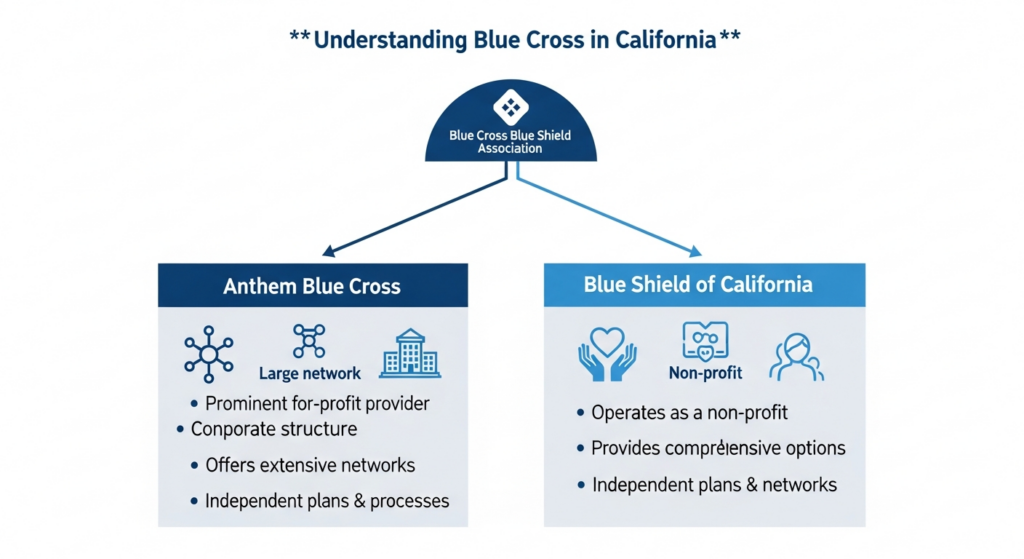
Anthem Blue Cross and Blue Shield of California are separate and independent companies, although both are licensed Blue Cross Blue Shield plans. Anthem Blue Cross, a prominent provider, offers a wide array of health insurance plans, often recognized for their extensive networks of doctors and hospitals. Blue Shield of California, on the other hand, operates as a non-profit healthcare company, also providing a comprehensive suite of health insurance options to residents across the state. Both Anthem Blue Cross California and Blue Shield California are committed to covering behavioral health services, including vital addiction treatment and mental health care, as required by state and federal legislation. When seeking rehabilitation or drug and alcohol rehab services, it is crucial to identify precisely which of these entities services your specific health insurance plan to ensure smooth access to care.
Why Health Insurance is Crucial for Substance Use Disorder Treatment
The decision to seek help for a substance use disorder (SUD) or mental health condition is a brave and life-altering one, and financial barriers should never impede progress. Health insurance, particularly through plans like those offered by Blue Cross California, is crucial because it significantly reduces the out-of-pocket costs associated with comprehensive addiction treatment. Without insurance, the average cost for residential substance abuse treatment in California can reach upwards of $56,654 for a stay of 30+ days, placing it out of reach for many individuals. National Center for Drug Abuse Statistics, 2025. Insurance coverage ensures that individuals can access necessary services, including therapy, medical detox, and ongoing support, without facing debilitating financial burdens. Moreover, federal laws like the Affordable Care Act (ACA) classify SUD and mental health treatment as essential health benefits, reinforcing the necessity of insurance coverage for these critical services. This coverage is a pathway to sustained recovery.
Navigating Different Blue Cross California Insurance Plans
Blue Cross California, through its affiliates Anthem Blue Cross and Blue Shield of California, offers a diverse range of insurance plans, each with its own unique structure for coverage and associated costs. Common plan types include Health Maintenance Organizations (HMOs) and Preferred Provider Organizations (PPOs). HMO plans typically require you to choose a primary care physician (PCP) who acts as your gatekeeper for referrals to specialists, and you must utilize in-network providers unless it’s a medical emergency. PPO plans, conversely, offer greater flexibility, allowing you to see out-of-network providers for a higher cost and generally without the need for a referral. Understanding your specific plan type—whether it’s an Anthem Blue Cross PPO, an HMO, or another variation—is the foundational step in determining how your Blue Cross California benefits will apply to rehab, drug and alcohol rehab, and other forms of addiction treatment. Your plan details will clearly outline coverage limitations, co-pays, deductibles, and out-of-pocket maximums, all critical factors in managing the cost of treatment.
Verifying Your Blue Cross California Rehab Benefits: A Step-by-Step Guide
Obtaining clear and precise information about your Blue Cross California rehab benefits is an essential pre-treatment step. This process ensures you fully understand what addiction treatment services are covered by your health insurance, the associated financial responsibilities, and any limitations or specific requirements mandated by your policy. Proactive verification can prevent unexpected costs and streamline your admission into a suitable Treatment Center, making your path to recovery smoother.
How to Confidently Check Your Coverage
The most reliable and effective way to confirm your Blue Cross California coverage for addiction treatment is to contact your insurance provider directly. You can usually find a member services phone number prominently displayed on the back of your insurance card. Be prepared to provide your policy number and ask specific, detailed questions about coverage for substance use disorder treatment and mental health services. Many insurers also offer secure online portals where you can access your benefit details, view covered services, and search for in-network providers. If you are working with a particular Treatment Center, their admissions team often has a dedicated benefits verification specialist who can assist you in navigating this process, which can significantly expedite your admission and understanding of your financial obligations. They are adept at communicating with insurance companies and can often clarify complex policy language.
Key Terms to Understand in Your Policy
Familiarizing yourself with common insurance terminology is fundamental to understanding your Blue Cross California coverage for addiction treatment and mental health care. Key terms include:
- Deductible: The amount you pay out-of-pocket for covered healthcare services before your insurance plan begins to pay.
- Co-payment (Co-pay): A fixed amount you pay for a covered healthcare service after you’ve met your deductible. For example, you might pay $30 for each therapy session.
- Co-insurance: Your share of the costs of a covered healthcare service, calculated as a percentage of the allowed amount for the service after your deductible is met. For instance, if your co-insurance is 20%, you pay 20% of the cost, and your insurer pays 80%.
- Out-of-Pocket Maximum: The most you will have to pay for covered services in a plan year. Once you reach this limit, your health insurance plan typically pays 100% of the allowed amount for covered benefits.
- Pre-authorization/Prior Authorization: Approval from your insurance company that is required before certain services, such as inpatient treatment or specific medical procedures, can be covered. This ensures the service is deemed medically necessary.
- Medical Necessity: A determination by your insurer that a service or treatment is required to diagnose or treat a health condition based on accepted medical standards. This is often a critical factor in getting coverage approved for addiction treatment.
- In-Network vs. Out-of-Network: In-network providers have contracted with your insurance company to provide services at a pre-negotiated rate, usually resulting in lower costs for you. Out-of-network providers do not have these contracts, leading to higher out-of-pocket expenses.
Practical Tips for Navigating the Insurance Process
When verifying your benefits for addiction treatment and mental health services, be thorough and ask specific questions. Inquire if your Blue Cross California plan covers various levels of care, such as medical detox, inpatient treatment, intensive outpatient programs (IOPs), or partial hospitalization programs (PHPs). It’s also important to ask about the number of treatment days covered per year or per episode of care. Clearly understand the process for pre-authorization, as many rehab centers, especially for inpatient or residential rehab, require this approval before admission. Ask about coverage for specific therapeutic modalities like individual therapy, group therapy, medication-assisted treatment (MAT), Cognitive Behavioral Therapy (CBT), and Dialectical Behavior Therapy (DBT). California has laws requiring that almost two in five people with commercial HMO and PPO health plans in California who had an alcohol or other drug dependence diagnosis had an initial treatment visit within 14 days of diagnosis, meeting the standard for timely access to care [National Institute on Drug Abuse, 2022 data inferred from state access metrics].
Blue Cross California Coverage for Comprehensive Addiction & Mental Health Treatment Options
Blue Cross California insurance plans, whether through Anthem Blue Cross or Blue Shield of California, generally provide coverage for a wide spectrum of addiction and mental health treatment services. The extent of this coverage can vary significantly based on your specific insurance plan, including its type (HMO, PPO) and the level of benefits offered. However, BCBS plans are designed to support individuals through various stages of recovery, recognizing that a comprehensive approach is often necessary for lasting sobriety and improved mental well-being. This includes covering essential services that address the physical, psychological, and social aspects of substance use disorder and mental health conditions.
Medical Detoxification (Medical Detox)
Medical detoxification, often referred to as medical detox, is typically the critical first step in the addiction treatment process. It provides a safe, medically supervised environment to manage potentially severe and uncomfortable withdrawal symptoms as the body rids itself of addictive substances. Blue Cross California plans typically cover medically necessary detox treatment services, ensuring that individuals can safely transition away from substance use under the attentive care of healthcare professionals. This crucial phase helps stabilize the patient physically and mentally, preparing them for the subsequent stages of more intensive treatment, such as inpatient or outpatient care. Having insurance coverage for medical detox removes a significant barrier for individuals needing immediate, safe withdrawal management.
Inpatient Treatment & Residential Rehab Programs
Inpatient treatment and residential rehab programs offer intensive, 24/7 care within a structured, supportive environment. These programs are specifically designed for individuals with moderate to severe substance use disorders or co-occurring mental health conditions that require a higher level of support, supervision, and immediate intervention. Blue Cross California insurance often covers these types of programs, as they are widely recognized as essential for achieving lasting recovery, particularly for complex cases. Coverage typically encompasses all aspects of care, including housing, meals, around-the-clock medical and psychiatric monitoring by licensed medical staff on-site, and a comprehensive array of therapeutic interventions and group therapy sessions. The structure of these programs, including Licensed Addiction Residential Treatment options, is designed to foster a stable environment conducive to healing.
Outpatient Treatment Options
For individuals who do not require 24/7 care or as a step-down phase from inpatient treatment, outpatient care offers flexible and accessible treatment options. This spectrum of care can include Intensive Outpatient Programs (IOPs) and Partial Hospitalization Programs (PHPs), which involve attending structured therapy sessions and treatment activities several days a week for several hours each day. Standard outpatient treatment involves less frequent therapy sessions. Blue Cross California plans generally cover various forms of outpatient treatment and outpatient rehab, allowing individuals to continue with their daily responsibilities, such as work or school, while actively engaging in their recovery program. This accessibility makes sustained treatment more manageable for many.
Medication-Assisted Treatment (MAT)
Medication-assisted treatment (MAT) is a highly effective, evidence-based approach that combines FDA-approved medications with counseling and behavioral therapies for the treatment of substance use disorders, particularly opioid and alcohol addiction. MAT aims to reduce cravings, alleviate withdrawal symptoms, and improve overall treatment outcomes by addressing the biological and psychological components of addiction. Blue Cross California insurance typically covers MAT services, including the prescribed medications and the associated counseling and therapy sessions. This integrated approach is recognized for its efficacy in supporting long-term addiction recovery and preventing relapse. Many facilities offering an opioid treatment program integrate MAT.
Dual Diagnosis Treatment & Co-occurring Disorders
Many individuals seeking addiction treatment also struggle with underlying or co-occurring mental health disorders, such as depression, anxiety, bipolar disorder, or trauma-related conditions. This complex situation is known as a dual diagnosis. Blue Cross California recognizes the critical importance of treating both the substance use disorder and the mental health condition concurrently. Plans often provide robust coverage for dual diagnosis treatment, which emphasizes integrated care that addresses both conditions simultaneously. This holistic approach is essential because untreated mental health issues can trigger substance use, and vice-versa, creating a cycle that is difficult to break. California law requires all health plans to pay for medically necessary mental health treatment since 2021. Despite this, mental health denials can still occur, but it’s important to know that over 70% of mental health denials that reach the appeals process are eventually overturned [A Mission For Michael, 2026]. Therefore, pursuing dual diagnosis treatment with comprehensive insurance support is vital.
Specific Therapeutic Modalities Covered
Beyond the various levels of care, Blue Cross California insurance typically covers a wide range of specific therapeutic modalities that are essential for a comprehensive recovery program. These evidence-based therapies are designed to address the root causes of addiction and equip individuals with coping mechanisms for long-term sobriety. Covered modalities often include:
- Individual Therapy: One-on-one sessions with a licensed therapist or counselor provide a private space to explore personal issues, triggers, and develop coping strategies.
- Group Therapy: Facilitated group sessions allow individuals to share experiences, gain insights from peers, and practice interpersonal skills in a supportive setting.
- Cognitive Behavioral Therapy (CBT) / Cognitive-behavioral therapy: A highly effective form of psychotherapy that helps individuals identify and change negative thinking patterns and behaviors that contribute to substance use.
- Dialectical Behavior Therapy (DBT): A specialized form of therapy focused on enhancing emotional regulation, distress tolerance, interpersonal effectiveness, and mindfulness skills, particularly beneficial for those with co-occurring disorders.
- Trauma-Informed Therapies: For individuals whose addiction stems from past trauma, therapies like EMDR (Eye Movement Desensitization and Reprocessing) or other trauma-focused approaches may be covered to address underlying issues.
- Family Therapy: Sessions involving family members are often covered to address relationship dynamics, improve communication, and build a supportive home environment for recovery.
- Equine Therapy: An emerging therapeutic approach that uses horses to help individuals develop trust, empathy, and communication skills, which can be covered by some plans.
- Relapse Prevention Therapy: Targeted interventions designed to help individuals identify triggers, develop coping strategies, and create a plan to avoid or manage potential relapses.
Finding the Right Blue Cross California Rehab Center in California
Selecting the appropriate rehabilitation center is a critical step in the recovery process. When using Blue Cross California insurance, understanding your options and how your benefits apply can significantly impact your choice of facility and the accessibility of care. It’s about finding a center that not only offers the right level of treatment but also has experience working with your specific BCBS plan.
Key Factors in Choosing a Treatment Center
When evaluating Treatment Centers, several factors are paramount. Look for accreditation from recognized bodies, as this signifies adherence to high standards of care. Consider the qualifications and experience of their clinical staff, including therapists, counselors, and medical professionals. Assess the range of treatment programs offered to ensure they align with your needs, whether it’s for substance use disorder, mental health, or a dual diagnosis. A center that specializes in your specific needs and has expertise in evidence-based practices like CBT, DBT, and MAT will likely provide more effective treatment. Location, program length, and patient-to-staff ratios are also important considerations. Most importantly, ensure the facility works with your Blue Cross California insurance to facilitate payment and has a clear process for verifying your rehab insurance coverage.
In-Network vs. Out-of-Network Providers: Maximizing Your Benefits
Choosing an in-network provider with Blue Cross California is generally the most cost-effective option for accessing addiction treatment. In-network facilities have pre-negotiated rates with your insurer, meaning you will typically pay less out-of-pocket for services rendered. These costs usually involve co-pays or co-insurance after your deductible has been met. Out-of-network providers do not have these contractual agreements with your insurer, which can lead to significantly higher costs, potentially larger deductibles, and a greater portion of the bill falling directly to you. While some plans may offer limited coverage for out-of-network care, it is crucial to verify these details with your insurer beforehand. Maximizing your Blue Cross California benefits means prioritizing in-network facilities and understanding the financial implications of choosing an out-of-network provider.
Examples of California Addiction Treatment Services That May Accept Blue Cross California
Numerous high-quality addiction treatment centers across California accept Blue Cross California insurance, offering a wide spectrum of care. These facilities can range from comprehensive residential centers providing immersive recovery experiences to specialized outpatient programs offering flexible support. While the specific names of centers that accept your plan can vary, here are examples of types of California addiction treatment services that commonly partner with Blue Cross Blue Shield plans, including Anthem Blue Cross and Blue Shield of California:
- Residential Treatment Centers: Facilities like Laguna Treatment Center or Renaissance Recovery often provide 24/7 supervised care, immersive therapy, and structured programming.
- Intensive Outpatient Programs (IOPs): Centers such as Avalon Malibu Mental Health & Addiction Treatment Center or Westwind Recovery may offer intensive outpatient addiction treatment programs providing several hours of therapy and support multiple times per week.
- Partial Hospitalization Programs (PHPs): These programs, sometimes offered by facilities like Recovery Beach, serve as a step down from residential care, providing intensive daily treatment without overnight stays.
- Outpatient Clinics and Substance Abuse Counseling: Many clinics offer standard outpatient rehab, individual or group therapy, and substance abuse counseling. South Shores Detox and Recovery and Summit Estate Recovery Center may offer integrated services.
- Specialized Programs: Facilities like Mission Prep Teen Treatment focus on specific demographics, while others might offer specialized treatment like an opioid treatment program.
When searching for treatment near you, always confirm with the facility directly about their current in-network status with your specific Blue Cross California plan.
The Treatment & Recovery Journey with Blue Cross California
Utilizing Blue Cross California insurance can provide a structured and accessible pathway through the various stages of addiction treatment and recovery. By understanding how your coverage works at each step, you can ensure you receive the necessary support to achieve lasting sobriety and improved mental well-being. Your insurance plan is a vital tool in this journey.
Initial Assessment and Personalized Treatment Planning
The journey to recovery typically begins with an initial assessment, conducted either at a chosen Treatment Center or with a qualified healthcare provider. This crucial evaluation helps determine the severity of the substance use disorder or mental health condition and identifies any co-occurring issues, such as a dual diagnosis. Based on this comprehensive assessment, a personalized treatment plan is developed. Your Blue Cross California benefits will likely cover this assessment phase, as it is fundamental to establishing medical necessity and outlining the required treatment interventions. The plan will detail the recommended level of care, specific therapeutic modalities, and the anticipated duration of treatment, all tailored to your unique needs.
During Treatment: Utilizing Your Coverage Effectively
Throughout your treatment, your Blue Cross California coverage will facilitate access to the prescribed services, from medical detox to inpatient, residential, or outpatient care. Whether you are undergoing intensive therapy, participating in group sessions, or receiving medication-assisted treatment (MAT), your health insurance will help manage the financial aspects of your care. Consistent and open communication with your treatment provider and your insurance company is key. This ensures that any necessary adjustments to your treatment plan are communicated and approved, and that your benefits are being utilized optimally. An estimated 29.3 million U.S. adults report having resolved a significant substance use problem, demonstrating that dedicated treatment, often facilitated by insurance, leads to successful recovery outcomes [Recovery Research Institute, 2024].
Aftercare and Relapse Prevention
Recovery is an ongoing, lifelong process, and robust aftercare planning is crucial for maintaining sobriety and long-term mental well-being. This typically involves continued therapy, participation in support groups, and development of essential life skills. Blue Cross California plans may offer coverage for various aftercare services, such as ongoing outpatient therapy sessions, continuing care groups, or case management services. Relapse prevention therapy is an integral component of aftercare, equipping individuals with the strategies and tools to identify triggers, manage high-risk situations, and navigate challenges that may arise post-treatment. Proactive engagement with aftercare services, supported by your insurance, significantly increases the likelihood of sustained, long-term recovery.
Overcoming Potential Challenges and Maximizing Your Blue Cross California Coverage
While Blue Cross California insurance can be a powerful tool for accessing vital addiction treatment and mental health services, navigating the intricacies of the insurance system can sometimes present challenges. Understanding these potential hurdles and knowing how to address them effectively is crucial for a smoother and more successful recovery journey. Proactive engagement with your plan and treatment providers can help mitigate difficulties.
Dealing with Prior Authorization and Approvals
Many forms of addiction treatment, particularly intensive inpatient and residential rehab programs, require prior authorization from your Blue Cross California insurance provider. This process involves your chosen Treatment Center submitting a detailed clinical justification for the necessity of the proposed service to your insurer. While this step can sometimes cause delays in admission, it is a standard procedure designed to ensure that the requested treatment aligns with your plan’s coverage guidelines and is deemed medically necessary. The Treatment Center’s admissions team will typically guide you through this process, gathering the necessary clinical documentation from your physicians and therapists to support the authorization request.
What to Do if Coverage is Denied or Limited
If your Blue Cross California plan denies coverage for a recommended treatment or offers limited benefits, do not despair. The first crucial step is to understand the specific reason for the denial. It might be due to insufficient documentation, a misunderstanding of medical necessity, or a specific exclusion within your policy. Your treatment provider can often help appeal the decision by submitting additional medical information, clarifying the treatment plan’s necessity, or providing further evidence. California law mandates mental health parity, meaning denials for mental health or SUD treatment should be carefully reviewed for compliance. Remember that over 70% of mental health denials that reach the appeals process are eventually overturned [A Mission For Michael, 2026]. Pursuing the appeals process diligently, often with the support of your treatment provider, can frequently lead to successful coverage approval.
Leveraging Blue Cross California’s Resources
Blue Cross California offers various valuable resources to help members navigate their health benefits and access care. Utilize your member portal for up-to-date information on your specific plan details, covered services, and network providers. Customer service representatives can provide crucial clarification on policy details, assist with finding in-network Treatment Centers, and explain the claims and appeals processes. Furthermore, many employers in California that offer Blue Cross California plans provide Employee Assistance Programs (EAPs). These EAPs can offer initial support, confidential counseling, and guidance in finding appropriate addiction and mental health treatment resources, often acting as a valuable first point of contact.
Conclusion: Your Path to Recovery with Blue Cross California
Embarking on a path to recovery from substance use disorder or mental health challenges is a significant and courageous undertaking. Understanding how your Blue Cross California insurance, whether through Anthem Blue Cross or Blue Shield of California, can support this journey is paramount. From deciphering different insurance plans and verifying benefits for medical detox, inpatient care, outpatient programs, and medication-assisted treatment, knowledge empowers you to make informed decisions. The Affordable Care Act mandates coverage for essential health benefits, including addiction and mental health services, making quality care more accessible than ever before. While navigating insurance can present challenges, such as prior authorizations or potential denials, proactive communication, thorough verification, and leveraging the resources available through your insurer and treatment providers can help overcome these hurdles. Your Blue Cross California coverage is a critical asset in accessing the specialized help you need for a sustainable recovery program.
Taking the First Step Towards Healing
The journey to healing and lasting addiction recovery is achievable, and understanding your Blue Cross California health insurance benefits is a powerful tool to facilitate this process. By confidently exploring the wide array of treatment options available and knowing your coverage, you can select the most appropriate support for your needs. Remember that seeking help is a sign of immense strength, and with the right support and insurance coverage, a healthier, more fulfilling life is within reach. Don’t hesitate to reach out to your insurance provider, your chosen Treatment Center, or the available resources to take the first, crucial step towards your recovery.

Our content is researched by our writers and reviewed for clinical accuracy by our licensed treatment professionals, led by Medical Director Dr. Naficy, MD, and Clinical Director Clint Kreider, MS. Based at our DHCS-licensed facility in San Clemente, CA, we're here to help you make confident, informed decisions about care — call (844) 798-0516 anytime.
- Insurance Verification Process: A Full Guide August 6, 2026
- Progress Monitoring in Addiction Treatment: A Guide August 4, 2026
- How Long Does It Take for Shrooms to Kick In? Onset, Peak, and Full Trip Timeline July 31, 2026
- What Does Cocaine Smell Like? How to Recognize Cocaine by Smell, Taste, and Appearance July 30, 2026
- What Is Motivational Interviewing and How It Aids Recovery July 30, 2026
Our Fact Checking Process
We prioritize accuracy and integrity in our content. Here's how we maintain high standards:
- Expert Review: All articles are reviewed by subject matter experts.
- Source Validation: Information is backed by credible, up-to-date sources.
- Transparency: We clearly cite references and disclose potential conflicts.
Our Review Board
Our content is carefully reviewed by experienced professionals to ensure accuracy and relevance.
- Qualified Experts: Each article is assessed by specialists with field-specific knowledge.
- Up-to-date Insights: We incorporate the latest research, trends, and standards.
- Commitment to Quality: Reviewers ensure clarity, correctness, and completeness.
Look for the expert-reviewed label to read content you can trust.