
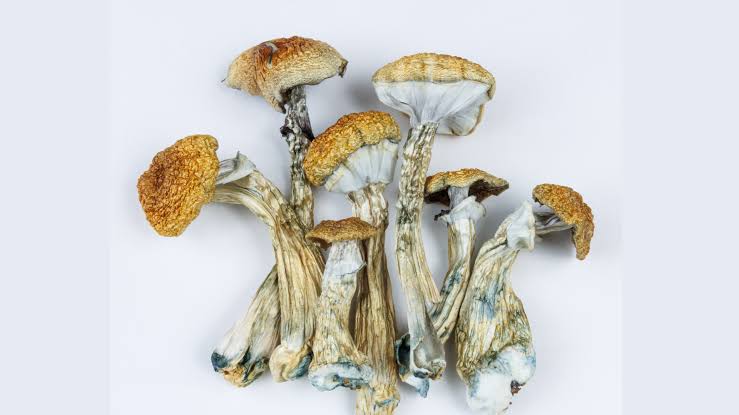
Quick answer: Psilocybin mushrooms (“shrooms”) typically kick in 20 to 40 minutes after being eaten, though onset can range from 10 minutes to over an hour. Effects usually peak around 60 to 90 minutes after ingestion and last 4 to 6 hours in total. A full stomach, the form taken (dried, fresh, tea), dose size, and individual metabolism all shift the timeline. Because onset is slow and unpredictable, taking more because “it isn’t working yet” is the most common cause of overwhelming, frightening experiences.
Psilocybin is having a cultural moment — clinical trials, decriminalization headlines, podcasts. But outside a controlled research setting, mushrooms remain an unpredictable, federally illegal psychedelic, and the gap between “it kicked in” and “it’s too much” can be a single impatient decision. Here’s what actually happens after someone takes shrooms, hour by hour, and when the timeline is a sign something is wrong.
If someone has eaten a wild mushroom and you’re not certain what species it was, treat it as a medical emergency — call Poison Control (1-800-222-1222) or 911. Toxic lookalikes like Galerina species cause delayed liver failure that can be fatal even after early symptoms pass.
How Long Do Shrooms Take to Hit?
For most people, dried psilocybin mushrooms eaten on a relatively empty stomach begin producing noticeable effects within 20 to 40 minutes: colors seeming brighter, mild body sensations, yawning, a shift in mood or perception. The chemistry explains the delay — psilocybin itself is not psychoactive. Your body first has to convert it into psilocin, the compound that acts on serotonin (5-HT2A) receptors in the brain. That conversion happens in the gut and liver, which is why anything affecting digestion changes how fast shrooms hit.
Typical onset by form:
| Form | Typical onset |
|---|---|
| Dried mushrooms, chewed and eaten | 20–40 minutes |
| Fresh mushrooms | 20–40 minutes (larger amounts needed; potency varies) |
| Mushroom tea or finely ground powder | 10–20 minutes |
| Capsules | 30–60+ minutes (capsule must dissolve first) |
| Chocolates / edibles | 30–60+ minutes (fat slows absorption) |
| On a full stomach (any form) | Often 60–90+ minutes |
Why Aren’t the Shrooms Kicking In?
The most dangerous moment of a mushroom experience is often minute 45 — when someone feels nothing and concludes the dose was weak. Common reasons onset is delayed: a heavy meal beforehand, a slower-dissolving form like capsules or chocolate, naturally slow digestion, or genuinely weaker material (psilocybin content varies several-fold between batches and species, even between caps and stems of the same mushroom).
Here’s the problem: taking a second dose during a delayed onset means both doses peak together. By the time the first dose arrives, the second is already on its way, and there is no way to un-take it. This “redose stacking” is the classic origin story of panic attacks, ER visits, and traumatic trips in inexperienced users. Harm-reduction organizations and clinical researchers alike use the same rule: after taking mushrooms, no decision about taking more should be made for at least two hours.
Shroom Trip Timeline: Onset to Comedown
A typical experience with dried psilocybin mushrooms follows this arc:
| Phase | Time after ingestion | What happens |
|---|---|---|
| Onset (“come-up”) | 20–60 min | Visual brightening, body warmth or heaviness, nausea (common), yawning, rising anxiety or giddiness |
| Peak | 60–90 min, lasting 1–2 hrs | Strongest perceptual changes: visual distortion, altered sense of time, emotional intensity, in higher doses ego-dissolution |
| Plateau | 2–4 hrs | Effects remain but stabilize; waves of intensity gradually spacing out |
| Comedown | 4–6 hrs | Perception normalizes; fatigue, introspection, emotional rawness |
| After-effects | Rest of day | Tiredness, headache (common), difficulty focusing; sleep may be light |
Total duration: 4 to 6 hours for most oral doses, occasionally stretching to 8 with high doses or slow metabolism. Compare that to LSD’s 8–12 hours — mushrooms are shorter, but the peak can feel more turbulent because it arrives faster.
How Long Does a Shroom Trip Last at Different Doses?
Dose is the biggest variable. Lower amounts produce shorter, milder experiences that may resolve in 3–4 hours; larger amounts extend both peak intensity and total duration toward the 6–8 hour range — and increase the likelihood of confusion, frightening hallucinations, and impaired judgment. Because street and home-grown mushrooms have no standardized potency, “the same amount as last time” routinely produces a very different trip. Tolerance also builds unusually fast: taking mushrooms again within a few days produces sharply weaker effects, which pushes some people into escalating amounts — a pattern worth taking seriously as a warning sign.
How Long Do Shrooms Stay in Your System?
Psilocin is metabolized quickly — its half-life is roughly 3 hours, and it’s largely cleared from blood within a day:
| Test type | Detection window |
|---|---|
| Urine | ~24 hours (up to 3 days with heavy or repeated use) |
| Blood | A few hours |
| Saliva | Rarely detectable beyond hours |
| Hair | Up to 90 days (specialized testing) |
Standard 5-panel and most workplace drug tests do not screen for psilocybin — but specialized tests can detect it, and probation, forensic, or clinical panels sometimes include it. The short detection window says nothing about impairment: judgment and coordination are affected for the full duration of the trip, and driving during any part of it is dangerous and chargeable as DUI.
What Changes the Timeline
- Stomach contents — the single biggest factor people control; food can double onset time
- Form — tea and powder absorb fastest; capsules and chocolates slowest
- Dose and potency — potency varies dramatically between species and batches
- Body and metabolism — weight, liver function, and individual serotonin sensitivity
- Tolerance — rapid; returns to baseline over one to two weeks
- Medications — SSRIs and other serotonergic psychiatric medications can blunt or alter effects unpredictably; lithium in particular is associated with seizures when combined with psychedelics
- Mindset and setting — anxiety, unfamiliar environments, and conflict reliably darken the experience
When the Timeline Is a Warning Sign
Most mushroom trips end uneventfully within 6 hours. Call 911 or seek urgent care if you see: effects lasting far beyond 8 hours with severe confusion, seizures, chest pain, vomiting that won’t stop, suspected wild-mushroom misidentification (delayed severe GI illness is a red flag for toxic species), or someone who is a danger to themselves. A calm companion, a quiet room, and reassurance that “this ends in a few hours” resolve most panicked trips — but psychosis-like symptoms that persist after the drug should have worn off need professional evaluation, especially in people with a personal or family history of psychotic disorders.
Some people also experience HPPD (hallucinogen persisting perception disorder) — visual disturbances that recur days or months after use — or lasting anxiety after a traumatic trip. Both are treatable; neither should be white-knuckled alone.
Are Shrooms Addictive? When Use Becomes a Problem
Psilocybin doesn’t cause physical dependence or a classic withdrawal syndrome, and that fact makes problems easy to dismiss. But escalating use looks different with psychedelics: chasing effects through rising tolerance, using mushrooms to blunt depression or trauma between trips, combining them with alcohol or other drugs, or repeated frightening experiences that still don’t stop the next one. Frequent psychedelic use is also often a signal flare for the struggles underneath it — untreated depression, anxiety, or a co-occurring substance problem.
Getting Help at Oceans Luxury Rehab
If mushrooms — or what someone is using them to escape — have become a concern for you or someone you love, Oceans Luxury Rehab offers confidential, evidence-based substance abuse treatment in Orange County, California, with dual-diagnosis care for the depression, anxiety, and trauma that so often sit underneath psychedelic and polysubstance use. Private accommodations, individualized clinical care, and a team that treats the person, not just the substance.
Call (866) XXX-XXXX for a free, confidential consultation — or verify your insurance in minutes. Available 24/7.
Frequently Asked Questions
How long do shrooms take to hit?
Usually 20 to 40 minutes when eaten on an empty stomach. Tea hits faster (10–20 minutes); capsules, chocolates, or a full stomach can push onset past an hour. Onset longer than 60 minutes usually means slow absorption — not a failed dose.
Why don’t I feel anything after an hour?
Most often: food in your stomach, a slow-absorbing form, or weaker material. Taking more at this point is the most common cause of overwhelming trips, because both doses eventually peak together. Clinicians and harm-reduction guidelines advise waiting at least two hours before any decision about redosing.
How long does a shroom trip last?
Four to six hours for a typical oral dose, with the peak around one to two hours in. High doses or slow metabolism can extend the experience to eight hours, with fatigue and emotional after-effects for the rest of the day.
Do shrooms show up on a drug test?
Not on standard 5-panel workplace tests. Specialized tests can detect psilocybin metabolites in urine for about 24 hours (up to 3 days with heavy use) and in hair for up to 90 days.
Can you overdose on shrooms?
Fatal poisoning from psilocybin itself is extremely rare, but that’s not the real risk profile. Dangerous outcomes come from panic and impaired judgment (falls, traffic, self-harm), combining with other substances, underlying heart or psychiatric conditions, and — most seriously — misidentified toxic wild mushrooms, which can cause fatal liver failure.
Are shrooms addictive?
They don’t cause physical dependence, and tolerance builds so fast that daily use is self-limiting. But psychological reliance is real — using trips to manage depression, trauma, or anxiety is a pattern that tends to escalate and usually signals an underlying condition that deserves actual treatment.
Is psilocybin legal since it’s being studied as medicine?
No. Psilocybin remains a Schedule I controlled substance federally. Clinical research uses pharmaceutical-grade psilocybin under medical supervision — a very different context from unregulated mushrooms of unknown species and potency. Some states and cities have decriminalized or created regulated programs, but possession remains illegal in most of the US, including under federal law everywhere.
Written by the Oceans Luxury Rehab Editorial Team. Medically reviewed by Dr.Naficy, and Clint Kreider, MS. Last updated July 30, 2026.
Sources cited in-page (link these):
- NIDA — Psilocybin (Magic Mushrooms): https://nida.nih.gov/research-topics/psilocybin-magic-mushrooms
- DEA Drug Fact Sheet — Psilocybin: https://www.dea.gov/factsheets/psilocybin
- Johns Hopkins Center for Psychedelic & Consciousness Research (for the clinical-trial context): https://hopkinspsychedelic.org/
- Poison Control: 1-800-222-1222
- SAMHSA National Helpline: 1-800-662-4357

Written by the Oceans Luxury Rehab Editorial Team
Clinically reviewed by Clint Kreider, MS, LMFT #120380 — Clinical Director, Oceans Luxury Rehab. Based at our DHCS-licensed facility in San Clemente, CA, we're here to help you make confident, informed decisions about care — call (844) 798-0516 anytime.
- What Is Contingency Management and How It Supports Recovery August 18, 2026
- Alcohol Withdrawal Timeline: Day-by-Day Symptoms (Days 1–7) August 17, 2026
- Physician Oversight in Addiction Treatment Explained August 13, 2026
- What Is EMDR for Trauma? a 2026 Guide August 11, 2026
- Insurance Verification Process: A Full Guide August 6, 2026
Our Fact Checking Process
We prioritize accuracy and integrity in our content. Here's how we maintain high standards:
- Expert Review: All articles are reviewed by subject matter experts.
- Source Validation: Information is backed by credible, up-to-date sources.
- Transparency: We clearly cite references and disclose potential conflicts.
Our Review Board
Our content is carefully reviewed by experienced professionals to ensure accuracy and relevance.
- Qualified Experts: Each article is assessed by specialists with field-specific knowledge.
- Up-to-date Insights: We incorporate the latest research, trends, and standards.
- Commitment to Quality: Reviewers ensure clarity, correctness, and completeness.
Look for the expert-reviewed label to read content you can trust.